
You walk into your home and notice a musty smell. Something feels off. That odor might be coming from your air ducts. I’ve worked in air quality services for years. The culprit is often mold hiding where you can’t see it. These fungi grow in dark, damp spaces throughout your house. Your HVAC system creates the perfect environment for spores to thrive. The good news? Professional duct cleaning can address this problem effectively. Let’s dive into what you’re dealing with and how to fix it.
What Is Mold and Why Does It Matter?
Simply put, these are tiny fungi that exist naturally everywhere. Outdoors, they break down dead plants and organic matter. That’s actually helpful for the environment. But indoors? That’s a different story. When spores find moisture inside your home, they start colonies fast.
I’ve inspected countless homes where people had no idea they had a problem. The growth often starts in places you never check. Behind walls, under carpets, and especially inside ductwork. Your HVAC system circulates air constantly. If spores are in there, they spread throughout every room. That’s why understanding this issue matters so much for your family’s wellbeing.
Health Effects Of Mold You Need to Know About
Many homeowners underestimate how exposure affects their bodies. I’ve talked to families dealing with symptoms they couldn’t explain. Sneezing, coughing, and watery eyes are common reactions. Some people experience headaches that won’t go away. Others deal with skin irritation or breathing difficulties.
People with asthma or allergies feel the effects of mold more intensely. Kids and elderly family members are especially vulnerable. The health effects of mold exposure can range from mild to severe. Long-term exposure sometimes leads to more serious respiratory issues. If anyone in your home has unexplained symptoms, your air quality could be the cause
Environmental Health Concerns in Your Home
Your indoor environment directly impacts your family’s wellness. Poor air quality creates ongoing environmental health problems. Spores floating through your vents settle on furniture and bedding. You breathe them in while sleeping, eating, and relaxing.
I’ve seen homes where the problem affected pets too. Dogs and cats can develop respiratory issues just like humans. Creating a healthy indoor environment means addressing contamination at its source. Your ductwork often holds the key to solving these concerns.
Why Is Mold Growing in Your Ductwork?

Here’s something many people don’t realize. Your air conditioning system creates condensation regularly. That moisture collects in ducts and provides the perfect breeding ground. Add some dust and organic debris, and mold growing in your system happens quickly.
During humid summer months, the problem gets worse. I’ve cleaned ducts that looked fine from the outside. But inside, dark patches covered the surfaces. Leaky ducts also allow moisture from crawl spaces or attics to enter. Temperature differences between ducts and surrounding air cause condensation too.
The Moisture Problem Behind the Growth
Every fungal issue traces back to water. Fixing a moisture problem is essential for long-term results. Common sources include leaky pipes near ductwork, poor insulation, and high humidity levels. Bathrooms and kitchens produce lots of steam that enters your system.
Addressing moisture in your home prevents future growth. I always tell customers to check for these issues:
- Condensation on windows or walls
- Water stains on ceilings near vents
- Musty odors that come and go
- High humidity readings above 60%
Solve the moisture source first. Otherwise, the problem returns even after cleaning.
Mold Testing For Your Home
Should you test for mold growth before scheduling duct cleaning? Sometimes yes. Testing helps identify the specific types present in your system. This information guides the cleaning approach we use.
Professional mold testing involves air samples and surface swabs. The results show spore counts and species identification. However, testing isn’t always necessary. If you can see visible growth or smell that musty odor, you already know there’s an issue. I recommend testing when you need documentation for insurance or health reasons. It also helps after cleaning to confirm the problem is resolved.
How Air Duct Cleaning Solves the Problem
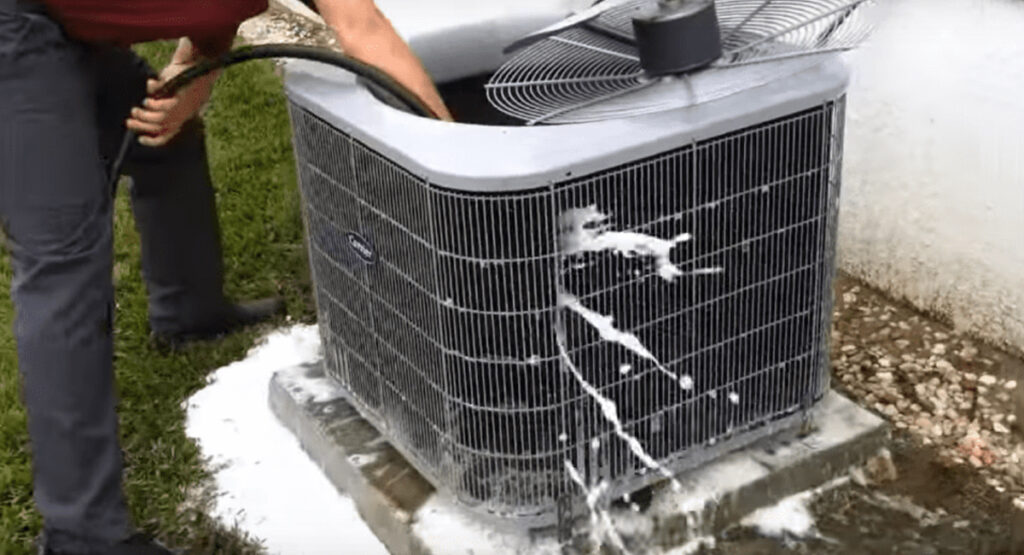
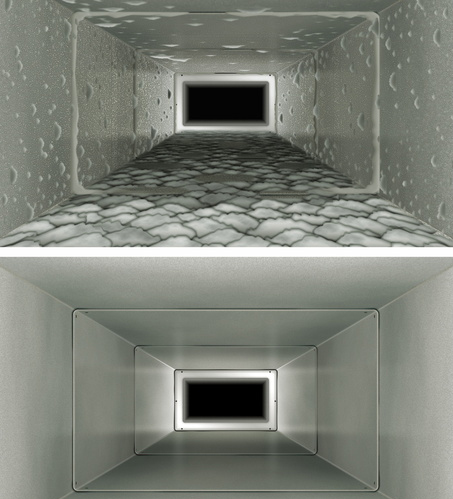
Professional duct cleaning directly addresses contamination in your HVAC system. We use specialized equipment that homeowners don’t have access to. Powerful vacuums create negative pressure inside the ductwork. This pulls contaminants out without spreading them through your home.
Rotating brushes scrub interior surfaces clean. We treat affected areas with antimicrobial solutions that prevent regrowth. The whole process typically takes a few hours for an average home. Afterward, your system circulates cleaner air immediately. I’ve had customers tell me they noticed the difference that same day
The Professional Removal Process
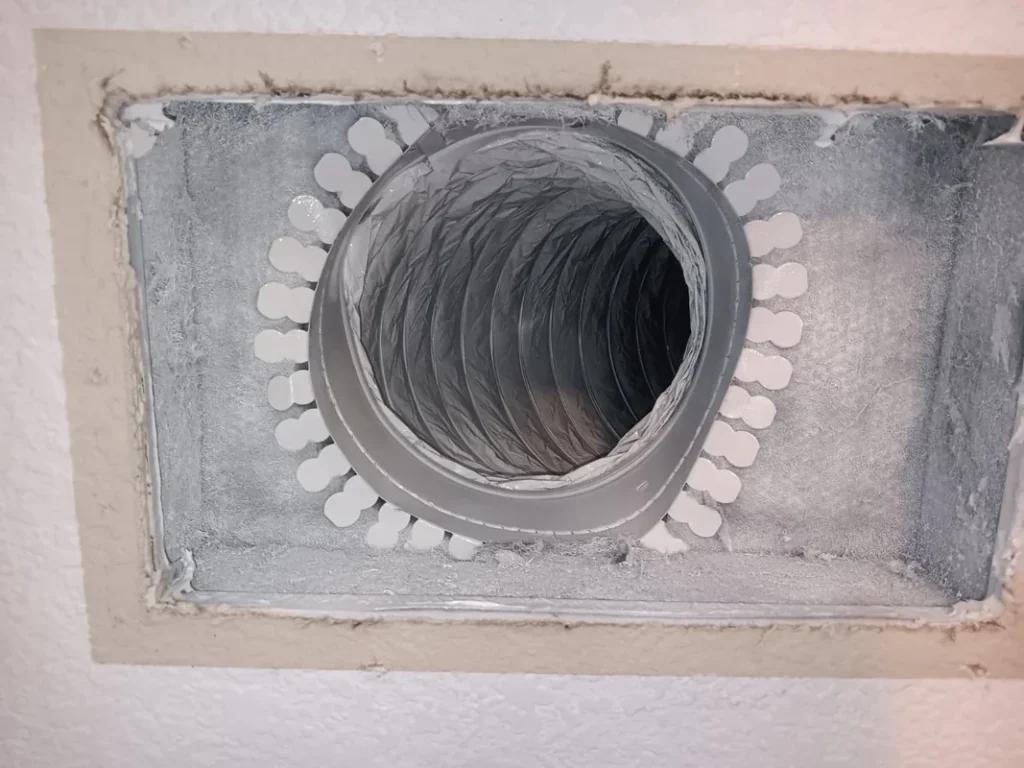
When we handle mold spores removal through duct cleaning, we follow strict protocols. First, we seal off vents to contain any spores. Then we inspect the entire system with cameras. This shows us exactly where the growth is located.
The clean up mold process requires proper containment and filtration. We wear protective equipment throughout the job. HEPA filtration captures microscopic spores that standard filters miss. After cleaning, we apply treatments that discourage future growth. Finally, we test air quality to confirm successful removal. This systematic approach ensures thorough results every time.
Take the First Step Toward Cleaner Air
Your home should be a healthy sanctuary for your family. Don’t let hidden contamination compromise your indoor air quality. The signs are often subtle at first. That occasional cough or stuffy nose might have a cause you haven’t considered.
Professional duct cleaning offers a real solution. We see the difference it makes in homes every week. Better air quality means better health for everyone under your roof. If you’ve noticed musty smells or unexplained symptoms, schedule an inspection. Taking action now prevents bigger problems down the road. Your lungs will thank you for it.
Trustindex verifies that the original source of the review is Google. Ori & his assistant took before and after videos and thoroughly explained what needed to be cleaned. Did a great job—house vents smell clean now that bacteria has been removed!Posted onTrustindex verifies that the original source of the review is Google. Great efficient service!Posted onTrustindex verifies that the original source of the review is Google. Ori and his team did a great job identifying bacteria and cleaning it for me, as well as providing a solution to help with prevention. I appreciate him and his team!Posted onTrustindex verifies that the original source of the review is Google. Thank you Green Air Duct Club. You where on time and very through. Oren presented me with before and after photos that where a great help understanding what needed to be done. Thank you for great service and price. We are very Happy!Posted onTrustindex verifies that the original source of the review is Google. I was very impressed with the clarity and efficiency of the cleaning process; the professionals explained every detail and executed the work with great precision, leaving my home completely worry free.Posted onTrustindex verifies that the original source of the review is Google. I appreciated the transparent, clear communication from the team, who meticulously cleaned every vent and provided updates that made the entire air duct cleaning process completely worry free.Posted onTrustindex verifies that the original source of the review is Google. AhabahabbaPosted onTrustindex verifies that the original source of the review is Google. Green Air Duct did a wonderful job - cleaning and disinfect our air ducts and A/C unit. Ori was honest and up front about what we needed - and didn’t need. We had them look at the insulation in the attic as well, and despite aging and based on our electrical bill, explained that it was probably not necessary. Attached are before and after of inside of duct box.Verified by TrustindexTrustindex verified badge is the Universal Symbol of Trust. Only the greatest companies can get the verified badge who has a review score above 4.5, based on customer reviews over the past 12 months. Read more
Frequently Asked Questions
Q: How often should I have my air ducts cleaned to prevent indoor mold?
A: Most homes benefit from professional cleaning every three to five years. However, humid climates or homes with moisture issues may need more frequent service. If someone in your household has respiratory conditions, consider cleaning every two to three years. After water damage or flooding, schedule cleaning immediately, regardless of your regular maintenance cycle.
Q: Can I clean mold from my air ducts myself?
A: I strongly advise against DIY duct cleaning for contamination issues. Home vacuum cleaners lack the power and filtration needed. You risk spreading spores throughout your house during the attempt. Professional equipment creates containment and uses HEPA filtration to capture microscopic particles. The specialized tools required aren’t available at hardware stores. Leave this job to trained technicians.
Q: Will air duct cleaning remove the musty smell in my home?
A: Yes, professional cleaning typically eliminates odors caused by duct contamination. The smell comes from active fungal growth and accumulated debris. Once we remove the source, the odor disappears. Some homes notice fresher air immediately after service. If smells persist after cleaning, there may be contamination elsewhere that needs attention.
Q: How long does professional air duct cleaning take?
A: Average homes take between two to four hours for complete service. Larger homes or systems with significant contamination may require additional time. The process includes inspection, cleaning, treatment, and verification. We work efficiently without cutting corners. You can stay home during the service, though some noise from equipment is expected.
Q: Does homeowner's insurance cover mold removal from air ducts?
A: Coverage depends on your policy and the contamination source. Sudden water damage, like a burst pipe, often qualifies for coverage. However, gradual moisture buildup from poor maintenance typically isn’t covered. Check with your insurance provider about your specific situation. Professional testing documentation helps support claims when coverage applies.