
Your heating and cooling system is one of the biggest investments in your home. When something breaks, repair bills can add up fast. That’s where understanding your HVAC warranty becomes essential. Knowing what protection you have saves you stress and money down the road. In Texas, you even have special legal protections that help homeowners like you. This guide breaks down everything you need to know about types, terms, and coverage. Let’s make sure you’re fully protected.
What Is an HVAC Warranty and Why Does It Matter?
An HVAC warranty is a promise from the manufacturer or installer. It guarantees they’ll repair or replace certain parts if something fails. Think of it as a safety net for your investment. Without one, you’d pay full price for every repair out of pocket.
This matters because heating and cooling equipment isn’t cheap to fix. Compressors, heat exchangers, and motors cost hundreds of dollars alone. Having solid HVAC warranty protection means you won’t face those surprise expenses. It also gives you peace of mind knowing your system is backed by the company that made it.
Types of HVAC Warranties Every Homeowner Should Know
Not all warranties work the same way. Understanding the different types helps you know exactly what you’re getting. Most HVAC systems come with multiple layers of protection. Each type covers different things for different lengths of time.
The main categories include manufacturer, labor, and extended warranties. You might also consider a home plan for additional coverage. Each has its own benefits and limitations. Let’s break them down so you can see what applies to your situation.
Manufacturer Warranties and Parts Coverage
An HVAC manufacturer’s warranty comes directly from the company that built your equipment. It typically covers major components like the compressor and heat exchanger. Most manufacturer ones last between 5 and 10 years. Some brands offer longer coverage if you register your product within a certain timeframe.
This type usually only covers parts, not labor. So if your compressor fails, the manufacturer sends a new one for free. However, you still pay the technician to install it. Always complete your lookup and registration right after installation. This ensures you get the full coverage period you deserve.
Labor Warranties and Extended Warranties
A labor warranty covers the cost of the technician’s work during repairs. Your installing contractor typically provides this coverage. Standard labor lasts one to two years after installation. Some companies offer an extended labor warranty for additional protection.
Extended warranties go beyond the original coverage period. You can purchase these through your HVAC contractor or a third party. They often cover both parts and labor for 5 to 10 extra years. Equipment warranties like these provide great value for expensive systems. Just read the fine print carefully before you buy.
What Your HVAC Warranty Covers and What It Doesn't
Understanding what your warranty covers prevents frustrating surprises later. Most HVAC warranties cover defects in materials and workmanship. This means if a part fails because it was made poorly, you’re protected. Your benefits kick in when something goes wrong through no fault of your own.
Here’s what most limited ones typically cover:
- Compressor failures due to manufacturing defects
- Heat exchanger cracks and failures
- Fan motor malfunctions
- Refrigerant coil leaks
- Electronic control board issues
However, your warranty probably won’t cover damage from improper installation. It also excludes problems caused by lack of maintenance. Using uncertified parts or unauthorized technicians can void your coverage. Always hire licensed professionals for any HVAC repair to keep your protection intact.
Home Warranty for HVAC Coverage Explained
A home warranty is different from your manufacturer’s protection. When you choose a home warranty for HVAC coverage, you’re buying a service contract. This plan covers repairs and replacements on major home systems. Your HVAC equipment falls under this umbrella.
Homeowners’ warranty plans work on a subscription model. You pay a monthly or annual fee plus a service call deductible. When something breaks, you call the company instead of finding a contractor yourself. They send an approved technician to handle the HVAC warranty claim for you.
This type of plan makes sense for older systems. Once your original one expires, a home warranty picks up where it left off. It’s especially helpful if your equipment is approaching the end of its lifespan. Just compare plans carefully because coverage limits vary significantly between providers.
Size matters more than you might think. Measure your floor register cover before buying. Common sizes include 4 x 10 inch and various 24 floor vent dimensions. Many vent kit products come with multiple sizes. You can also buy electrostatic roll material and cut custom pieces.
Material affects performance significantly. Polyester options last longer than fiberglass. MERV 13 products catch more particles but may restrict airflow. Carbon varieties add odor control. We typically recommend mid-range options for most homes. They balance filtration with proper air flow through your system.
Texas Laws That Protect Your HVAC Warranty
Texas homeowners have special legal protections that other states don’t offer. Under Texas Business and Commerce Code Chapter 608, your HVAC warranty transfers automatically when you sell your home. The new owner gets the remaining coverage at no extra cost. Manufacturers cannot charge a transfer fee in Texas.
This law benefits both buyers and sellers in the San Antonio area and beyond. Buyers get protection on their new home’s system right away. Sellers can advertise remaining coverage as a selling point. The warranty continues as if the new owner were the original purchaser.
Texas also protects consumers through the Deceptive Trade Practices Act. If a company lies about coverage or refuses valid claims, you have legal options. You can file complaints with the Texas Attorney General’s office. In some cases, you may recover up to three times your damages if you prove intentional deception.
Make the Most of Your HVAC Warranty Today
Air vent filters help, but they’re just one piece of the puzzle. Your entire HVAC system needs attention for truly cleaner air. Professional technicians clean air ducts thoroughly. We inspect your furnace setup and recommend proper sizing. Sometimes poor indoor air quality points to bigger issues.
Your air conditioner and heating system work together constantly. Dirty coils, clogged ducts, or failing components affect everything. An air purifier might help certain situations. But nothing replaces proper system maintenance. We’ve seen homes where adding screens masked real problems. Regular professional service catches issues early. It keeps your family breathing easy and your equipment running efficiently.
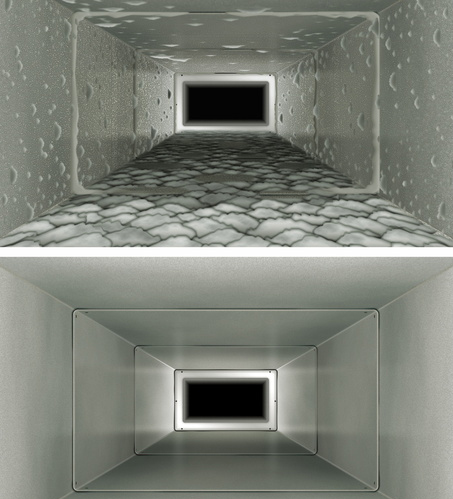
Trustindex verifies that the original source of the review is Google. Ori & his assistant took before and after videos and thoroughly explained what needed to be cleaned. Did a great job—house vents smell clean now that bacteria has been removed!Posted onTrustindex verifies that the original source of the review is Google. Great efficient service!Posted onTrustindex verifies that the original source of the review is Google. Ori and his team did a great job identifying bacteria and cleaning it for me, as well as providing a solution to help with prevention. I appreciate him and his team!Posted onTrustindex verifies that the original source of the review is Google. Thank you Green Air Duct Club. You where on time and very through. Oren presented me with before and after photos that where a great help understanding what needed to be done. Thank you for great service and price. We are very Happy!Posted onTrustindex verifies that the original source of the review is Google. I was very impressed with the clarity and efficiency of the cleaning process; the professionals explained every detail and executed the work with great precision, leaving my home completely worry free.Posted onTrustindex verifies that the original source of the review is Google. I appreciated the transparent, clear communication from the team, who meticulously cleaned every vent and provided updates that made the entire air duct cleaning process completely worry free.Posted onTrustindex verifies that the original source of the review is Google. AhabahabbaPosted onTrustindex verifies that the original source of the review is Google. Green Air Duct did a wonderful job - cleaning and disinfect our air ducts and A/C unit. Ori was honest and up front about what we needed - and didn’t need. We had them look at the insulation in the attic as well, and despite aging and based on our electrical bill, explained that it was probably not necessary. Attached are before and after of inside of duct box.Verified by TrustindexTrustindex verified badge is the Universal Symbol of Trust. Only the greatest companies can get the verified badge who has a review score above 4.5, based on customer reviews over the past 12 months. Read more
Frequently Asked Questions
Q: How long does a typical HVAC warranty last?
A: Most manufacturer warranties last 5 to 10 years for major components. Labor warranties from installers usually cover 1 to 2 years. Extended can add another 5 to 10 years of protection.
Q: Does my HVAC warranty transfer if I sell my house in Texas?
A: Yes. Texas law requires automatic transfer of manufacturer warranties on AC systems at no cost. The new owner receives the remaining coverage as if they were the original purchaser.
Q: What voids an HVAC warranty?
A: Common warranty-voiding actions include skipping annual maintenance and using uncertified parts. Improper installation, unauthorized repairs, and failing to register your equipment can also void coverage.
Q: Is a home warranty worth it for HVAC coverage?
A: It depends on your system’s age. Home warranties make more sense for older equipment past the original period. Compare monthly costs against potential repair expenses to decide.
Q: Do I need to register my HVAC equipment for warranty coverage?
A: Yes, registration is usually required to get the full warranty period. Most manufacturers give you 60 to 90 days after installation to register. Unregistered equipment often receives reduced coverage.
Q: Can I do my own maintenance and keep my warranty valid?
A: Most warranties require professional maintenance by licensed technicians. DIY maintenance may void your coverage. Keep records of all professional service visits to protect your claims.