
- Home
- ServicesAll Cleaning & Insulation Services include a limited warranty on workmanship
Do you know how important the fresh air could be for your working environment?
Emergency cleaning services,
24 hours a day
- About Us
- Contact Us
- Service AreasWe provide a warranty on all our Cleaning & Insulation Services.
Do you know how important the fresh air could be for your working environment?
Emergency cleaning services,
24 hours a day - Blog
- FAQs
- Home
- ServicesAll Cleaning & Insulation Services include a limited warranty on workmanship
Do you know how important the fresh air could be for your working environment?
Emergency cleaning services,
24 hours a day - About Us
- Contact Us
- Service AreasWe provide a warranty on all our Cleaning & Insulation Services.
Do you know how important the fresh air could be for your working environment?
Emergency cleaning services,
24 hours a day - Blog
- FAQs

Address
17715 Overlook Loop #2208, San Antonio, TX 78259
Water Mitigation vs. Water Restoration: What’s the Difference?
February 17, 2026
- By
- Green Air Duct Club
- Water Damage and Indoor Air Quality Specialists
A ceiling stain appears after a small plumbing leak, and within days the drywall feels soft and the air smells musty. At Green Air Duct Club, we’ve been helping homeowners recover from moisture damage for years of experience, and we’ve noticed the same confusion come up repeatedly: people use water mitigation and water restoration as if they mean the same thing. They don’t. We’ve seen homeowners delay action because the damage “didn’t look that bad,” only to discover soaked insulation, microbial growth in ductwork, and hidden framing rot. One family thought a few fans would solve it; weeks later, they needed insulation replacement and air duct inspection services near you to address contamination. Understanding water mitigation vs water restoration helps you act at the right stage – and avoid turning a manageable problem into a structural and indoor air quality issue.
What Proper Water Mitigation and Restoration Look Like
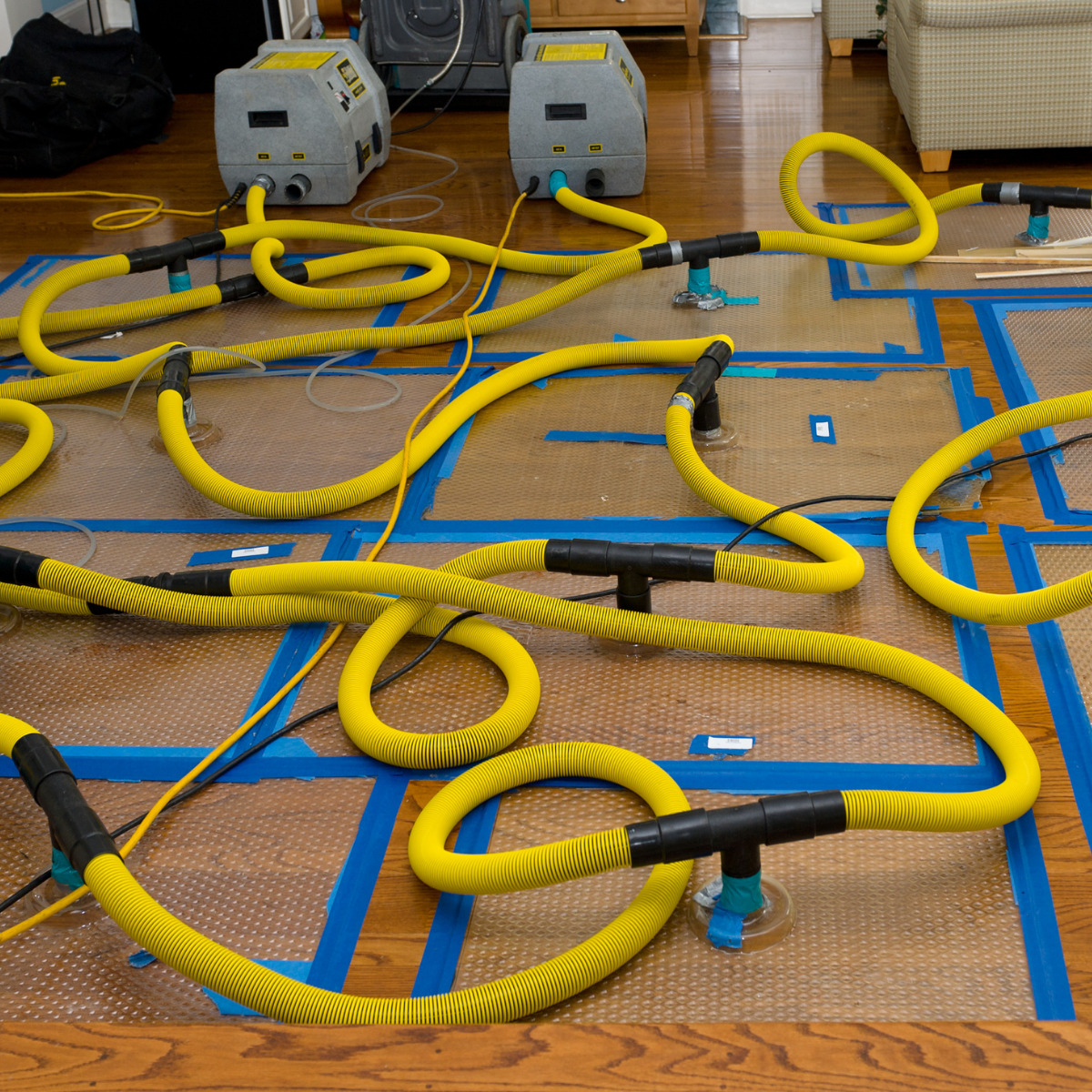
The most important best practice is speed combined with documentation. Effective mitigation begins within hours, not days, and follows a documented drying plan based on measurable data. Restoration follows only after materials meet dry standards. Professional water mitigation should include:
- Immediate source control (shutoff, temporary plumbing repair, roof tarp if needed)
- High-capacity extraction using truck-mounted or commercial portable extractors
- Moisture mapping with thermal imaging and calibrated meters
- Strategic placement of air movers and LGR dehumidifiers
- Daily monitoring logs to confirm progress toward IICRC drying goals
- Removal of unsalvageable materials (e.g., Category 3 contaminated drywall)
- Antimicrobial application per manufacturer dwell-time guidelines
- Structural repairs and insulation replacement
- HVAC inspection and, if needed, air duct disinfection
How to Reduce Future Risk and Understand Costs
Understanding water mitigation vs water restoration also helps with long-term planning. Mitigation typically lasts 3 – 7 days depending on material saturation, while full restoration may take several weeks if framing, cabinetry, or flooring require replacement. In our experience, mitigation for a small clean-water event may range from $1,500 to $4,000. Larger losses involving multiple rooms or contaminated water can range from $5,000 to $15,000 or more once restoration is included. Costs fluctuate based on:
- Site complexity and accessibility
- Material costs (flooring type, cabinetry, insulation)
- Total scope of demolition and reconstruction
- Annual roof and plumbing inspections
- Maintaining indoor humidity between 30 – 50%
- Scheduling HVAC and duct evaluations after any significant moisture event
Schedule a Moisture Assessment Before Damage Spreads
If you are unsure whether your property needs targeted water mitigation or full restoration, do not wait and hope the problem resolves itself. The next critical step is a professional moisture assessment from Green Air Duct Club. Our trained specialists use calibrated moisture meters, advanced thermal imaging, and proven inspection protocols to detect hidden water intrusion that the eye cannot see. Moisture trapped behind walls, beneath flooring, or inside HVAC systems can quickly lead to structural damage, mold growth, and costly repairs. Acting now can save thousands in future restoration expenses and protect your indoor air quality. We provide clear documentation, honest recommendations, and a step by step action plan tailored to your specific situation. You will know exactly what needs to be done and why. Schedule your professional assessment today and gain the clarity, protection, and peace of mind your home deserves. The sooner you act, the more you can save.

FAQs
Is water mitigation the same as water restoration?
No. Water mitigation and water restoration are related but they serve different purposes in the recovery process. Water mitigation focuses on stopping the source of intrusion, removing standing water, and thoroughly drying affected areas to prevent additional damage. It is the immediate response phase designed to stabilize the property. This step often includes water extraction, moisture mapping, setting up air movers and dehumidifiers, and removing materials that cannot be salvaged. The primary goal is to limit further loss and reduce the risk of mold growth or structural deterioration. Water restoration takes place after mitigation is complete. It involves repairing, rebuilding, or replacing damaged structural elements and finishes such as drywall, insulation, flooring, baseboards, and cabinetry. For example, mitigation may require several days of controlled drying, while restoration could involve installing new drywall, repainting walls, and replacing flooring. When mitigation is handled quickly and correctly, restoration costs are often lower because fewer materials need replacement. Understanding the difference helps homeowners act quickly, communicate clearly with contractors, and coordinate effectively with their insurance provider.
How quickly should water mitigation start after a leak?
Water mitigation should begin as quickly as possible, ideally within the first 24 hours after a loss occurs. Water spreads rapidly and starts penetrating porous building materials such as drywall, insulation, subflooring, and wood framing almost immediately. As moisture travels deeper into these materials, it becomes more difficult to remove and can compromise the structural integrity of the property. Within approximately 24 – 72 hours, microbial growth can begin developing on damp organic surfaces, especially in warm or poorly ventilated areas. What may start as a clean water loss classified as Category 1 can quickly deteriorate into a Category 2 or even Category 3 situation if contaminants are introduced or if materials remain wet for too long. Prompt extraction, thorough moisture mapping, and controlled drying are essential to minimize long term damage and reduce potential health risks. Even when surfaces appear dry to the touch, hidden moisture can remain trapped inside wall cavities, under flooring, or within insulation. Professional equipment such as moisture meters and thermal imaging cameras helps identify these concealed pockets early, ensuring a more complete and effective restoration process.
How much does water mitigation and restoration usually cost?
Costs can vary significantly depending on the severity of the damage, the type of water involved, and the extent of repairs required. For minor clean water incidents, mitigation services may begin around $1,500 and typically range up to $4,000, depending on the affected area and drying requirements. More extensive losses, particularly those involving contaminated water or structural damage, often fall between $5,000 and $15,000 or more. Situations that require demolition, mold remediation, or full reconstruction will naturally increase the overall investment. Several key factors influence pricing. Site complexity and the accessibility of impacted areas play a major role, especially in multi level properties or confined spaces. Material costs also affect totals, including the type and quality of flooring, drywall, cabinetry, and insulation selected for replacement. In addition, the total scope of work, such as demolition, debris removal, drying time, sanitation, and reconstruction, directly impacts final pricing. Insurance coverage details, deductible amounts, and any code required upgrades may further affect out of pocket expenses. These figures are general benchmarks provided for informational purposes only. A thorough on site inspection is necessary to prepare an accurate and detailed proposal.
Can I handle water mitigation myself with fans and a wet vacuum?
Homeowners can sometimes handle very small spills on non-porous surfaces by using absorbent towels, a wet or dry vacuum, and household fans to speed up evaporation. Quick action in these minor situations can help prevent staining or surface damage. However, most structural water intrusions are far more complex than they initially appear. Water often migrates behind baseboards, seeps beneath flooring, and penetrates wall cavities where it is not immediately visible. Even when surfaces feel dry to the touch, moisture can remain trapped inside building materials. Professional mitigation teams rely on commercial grade extractors, high capacity dehumidifiers, air movers, and moisture meters to detect and remove hidden moisture. These specialized tools allow technicians to measure saturation levels and confirm that drying goals are achieved. Without proper equipment and monitoring, concealed moisture can lead to persistent odors, material warping, deterioration, and mold growth. If water has affected drywall, insulation, hardwood flooring, or extends beyond a small isolated area, seeking professional evaluation is strongly recommended to protect the structure and prevent costly long term damage.
What warning signs suggest I need restoration instead of just drying?
Several warning signs suggest that drying alone may not fully resolve a water damage issue. A persistent musty odor after all visible water has been removed often indicates hidden moisture trapped behind walls, under flooring, or within insulation. Warped hardwood, buckling laminate, or bubbling paint can signal that materials have absorbed water beyond their capacity to recover. Soft, swollen, or crumbling drywall is another clear indicator that structural integrity has been compromised. Insulation that remains damp, compressed, or matted down will not perform effectively and can promote mold growth. If building materials have deteriorated, lost strength, or show evidence of contamination, restoration and selective removal are usually necessary. Wood framing should typically dry to a moisture content of 12-15 percent to be considered stable. If moisture readings stay elevated despite continuous use of professional drying equipment, demolition of affected sections may be required. Addressing these concerns early helps prevent hidden decay, structural weakening, and long term indoor air quality problems that can become more expensive and disruptive over time.
What are common mistakes homeowners make after water damage?
A frequent mistake property owners make is assuming that once surfaces appear dry, the moisture issue has been fully resolved. In reality, water often migrates horizontally and downward into subfloors, wall cavities, and other concealed structural components. Without proper moisture mapping and verification, hidden damp areas can remain undetected and lead to long term deterioration. Another common error is shutting down drying equipment too soon. Prematurely removing air movers or dehumidifiers can result in moisture rebound, where trapped humidity redistributes back into previously dried materials. Homeowners also sometimes postpone replacing wet insulation, unaware that saturated fiberglass or cellulose loses much of its thermal resistance and can create conditions favorable to microbial growth. Overlooking HVAC systems after significant moisture exposure is another oversight. Ductwork and air handlers can trap particles and odors, allowing them to circulate throughout the building. Comprehensive documentation, careful monitoring with calibrated meters, and a clearly sequenced transition from mitigation to full restoration are essential steps that help prevent these avoidable and costly complications.
What should I look for when hiring a water damage professional?
Look for technicians who are trained and certified under IICRC standards, particularly ANSI/IICRC S500 for professional water damage restoration. This certification demonstrates that the company follows recognized industry procedures for inspection, mitigation, and structural drying. Verify that the contractor holds any required state or local licenses and carries both liability insurance and workers compensation coverage to protect you from potential claims. A trustworthy company will provide a detailed written estimate that clearly separates mitigation services from reconstruction or repairs. During the assessment, professionals should take and document moisture readings using calibrated meters and, when necessary, thermal imaging equipment. They should explain the water category classification, the extent of affected materials, and the specific drying plan tailored to your property. Expect clear communication about timelines, equipment placement, and daily progress updates while drying is underway. Be cautious if a contractor avoids using measurement tools, cannot explain their process, or pressures you into major demolition without documented evidence. Transparency, standardized procedures, and consistent communication are strong indicators of a reliable and professional operation.
When is water damage not an emergency but still requires attention?
Not every water issue is catastrophic, but slow leaks and minor overflows still require timely attention and careful evaluation. A small stain on drywall, peeling paint, or a slightly warped baseboard can signal hidden moisture trapped behind the surface. Even a faint musty odor may indicate that water has been present longer than expected. If there is no active flooding or electrical hazard, you can begin by shutting off the water source and gently drying visible areas with fans and proper ventilation. Removing damp items such as rugs or furniture can also help limit further absorption. However, if odors intensify, materials feel soft to the touch, bubbling appears in paint, or discoloration continues to spread, it is wise to schedule a professional assessment. Moisture left unchecked for several days can escalate into microbial growth, insulation damage, or structural deterioration within walls and subfloors. Acting promptly in non-emergency situations reduces repair scope, preserves building materials, and helps control long-term restoration costs.