

You wake up sneezing every morning. Your eyes itch for no reason. Maybe your nose runs constantly inside your own home. Sound familiar? You might be dealing with a dust mite problem hiding in your air ducts. These tiny creatures are invisible to the naked eye, but they cause big problems. I’ve cleaned thousands of duct systems over the years. Trust me when I say these little pests are everywhere. The good news? Professional cleaning makes a real difference in reducing your symptoms.
What Is a Dust Mite and Why Should You Care?
A dust mite is a microscopic bug that lives in your home. They’re about 0.3 millimeters long. You can’t see them without a microscope. These creatures feed on dead skin cells that humans and pets shed daily. We lose millions of skin flakes every single day. That’s basically an all-you-can-eat buffet for these pests.
Here’s what makes them problematic. A single dust mite produces around 20 waste droppings per day. These droppings contain proteins that trigger reactions in sensitive people. The average mattress can hold tens of thousands of these bugs. Your carpets, furniture, and air ducts harbor them too. When your HVAC system runs, it circulates these particles throughout your entire home.
Common Signs You're Allergic to Dust in Your Home
Many people don’t realize they’re allergic to dust. They blame colds or seasonal changes instead. But if your symptoms stick around year-round, dust might be the culprit. I’ve talked with countless homeowners who finally connected the dots after a duct cleaning.
Watch for these common warning signs:
- Sneezing fits that happen mostly indoors
- Itchy, watery, or red eyes
- Runny or stuffy nose that won’t quit
- Coughing or postnasal drip at night
- Worsening asthma symptoms inside your home
These symptoms often improve when you leave your house. That’s a big clue. If you feel better at work or outdoors, your indoor air quality needs attention.
When Exposure to Dust Mite Allergens Gets Serious
Ongoing exposure to dust mite allergens does more than cause sneezing. It can seriously impact your quality of life. Chronic exposure often leads to sinus infections that keep coming back. Your sleep quality suffers when you can’t breathe properly at night.
For people with asthma, the stakes are even higher. Studies show that dust mite allergen is a major trigger for asthma attacks. Kids are especially vulnerable to these effects. I’ve seen families transform their health just by addressing their duct cleanliness. Reducing your exposure matters more than most people realize.
How House Dust Mites Hide in Your Air Ducts
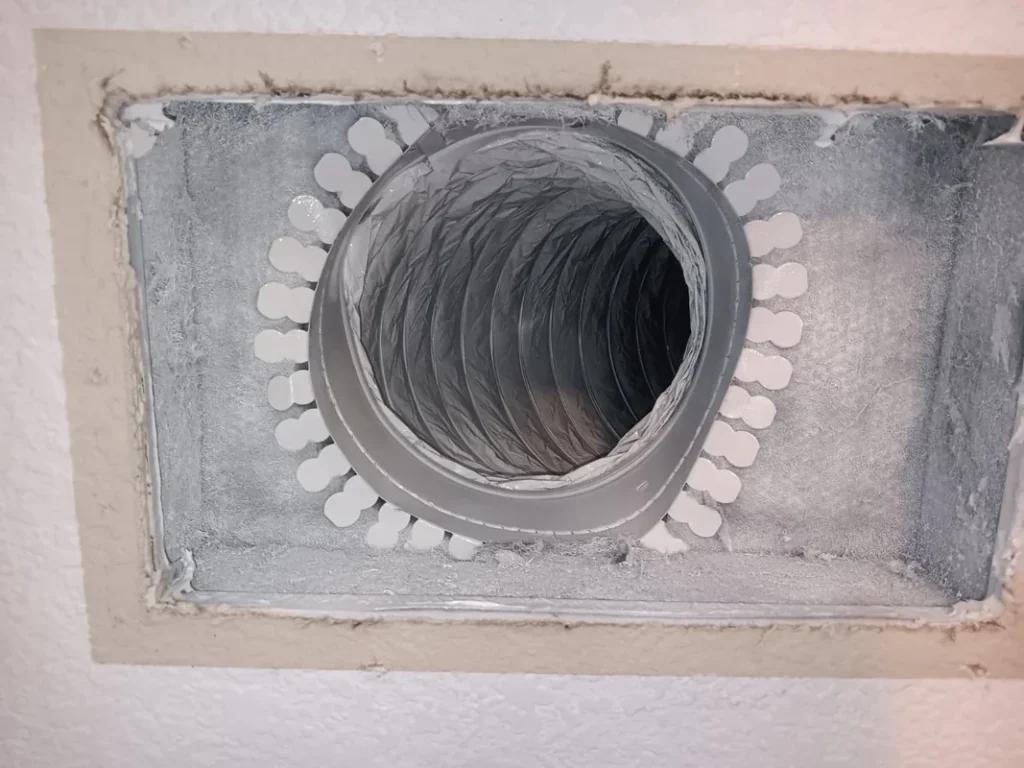
Your air ducts create the perfect environment for these pests. It’s dark, warm, and filled with organic debris. Dead skin cells, pet dander, and other particles settle inside your ductwork over time. A house dust mite colony thrives in these conditions.
Every time your heating or cooling kicks on, air moves through this contaminated space. The blower pushes allergens into every room of your home. That’s why symptoms often worsen when the system runs. I’ve pulled pounds of debris from neglected duct systems. Much of that material contains mite waste and body fragments. It’s not pretty, but it explains why so many people struggle indoors.
Air Duct Cleaning for Dust Mite Management and Treatment
Professional duct cleaning removes the buildup that feeds these creatures. We use powerful vacuum equipment connected directly to your ductwork. This negative pressure pulls debris out of the entire system. Brushes and air whips dislodge stubborn particles stuck to duct walls.
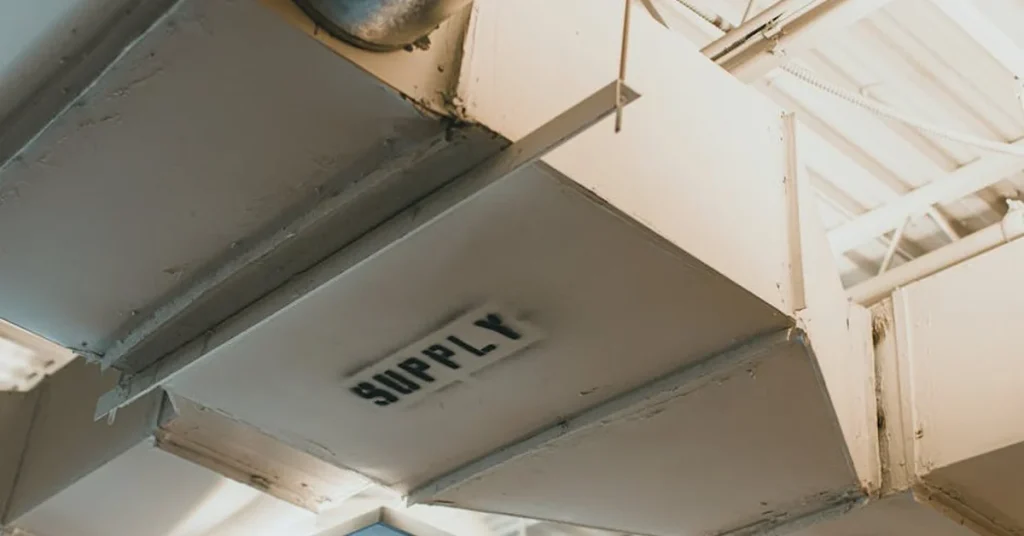
The process typically takes a few hours for an average home. We clean supply ducts, return ducts, and the main trunk lines. The blower unit and coils get attention, too. These spots often harbor the worst contamination. After cleaning, many clients notice immediate improvements in their symptoms. It’s one of the most effective steps for management and treatment of indoor allergies.
Removing Dust Mites and Their Waste Products
Getting rid of dust mites and their waste requires thorough cleaning. Surface cleaning alone won’t cut it. The waste products are tiny and embed themselves in duct surfaces. Our equipment reaches deep into the system where regular cleaning can’t go.
We also recommend treating ducts with antimicrobial solutions after cleaning. This helps prevent rapid recolonization. Some companies offer UV light installation inside ductwork. These lights kill microorganisms as air passes through. Combined approaches work best for keeping your system clean long-term.
Simple Tips to Reduce House Dust and Allergic Reactions
Duct cleaning helps tremendously, but it’s part of a bigger picture. Reducing house dust throughout your home limits allergic reactions overall. Start with your bedding since you spend eight hours there nightly. Wash sheets weekly in hot water to kill mites.
Use allergen-proof covers on mattresses and pillows. These create barriers between you and the bugs. Vacuum carpets twice weekly with a HEPA filter machine. Hard floors are even better if you can make the switch. Keep humidity below 50 percent since mites need moisture to survive. Running your HVAC fan helps filter air continuously. Change your air filter every one to three months, depending on your household.
Take Control of Your Dust Mite Allergy Starting Today
Living with a dust mite allergy doesn’t have to mean constant misery. Understanding what triggers your symptoms puts you in control. Those microscopic pests hiding in your ducts contribute more than you might think. Clean ductwork means cleaner air circulating through your home.
I’ve watched so many families find relief after addressing their air quality. The sneezing stops. Sleep improves. Kids breathe easier. It starts with recognizing the problem and taking action. Schedule a professional duct inspection to see what’s hiding in your system. Your lungs will thank you for it.
Trustindex verifies that the original source of the review is Google. Ori & his assistant took before and after videos and thoroughly explained what needed to be cleaned. Did a great job—house vents smell clean now that bacteria has been removed!Posted onTrustindex verifies that the original source of the review is Google. Great efficient service!Posted onTrustindex verifies that the original source of the review is Google. Ori and his team did a great job identifying bacteria and cleaning it for me, as well as providing a solution to help with prevention. I appreciate him and his team!Posted onTrustindex verifies that the original source of the review is Google. Thank you Green Air Duct Club. You where on time and very through. Oren presented me with before and after photos that where a great help understanding what needed to be done. Thank you for great service and price. We are very Happy!Posted onTrustindex verifies that the original source of the review is Google. I was very impressed with the clarity and efficiency of the cleaning process; the professionals explained every detail and executed the work with great precision, leaving my home completely worry free.Posted onTrustindex verifies that the original source of the review is Google. I appreciated the transparent, clear communication from the team, who meticulously cleaned every vent and provided updates that made the entire air duct cleaning process completely worry free.Posted onTrustindex verifies that the original source of the review is Google. AhabahabbaPosted onTrustindex verifies that the original source of the review is Google. Green Air Duct did a wonderful job - cleaning and disinfect our air ducts and A/C unit. Ori was honest and up front about what we needed - and didn’t need. We had them look at the insulation in the attic as well, and despite aging and based on our electrical bill, explained that it was probably not necessary. Attached are before and after of inside of duct box.Verified by TrustindexTrustindex verified badge is the Universal Symbol of Trust. Only the greatest companies can get the verified badge who has a review score above 4.5, based on customer reviews over the past 12 months. Read more
Frequently Asked Questions
Q: How often should I clean my air ducts to control dust mite problems?
A: Most homes benefit from professional duct cleaning every three to five years. However, allergy sufferers often need more frequent service. If you notice symptoms returning, schedule an inspection sooner. Homes with pets or smokers accumulate debris faster. We recommend annual evaluations to assess your specific situation and determine the best cleaning schedule.
Q: How do I know if dust mites are causing my allergy symptoms?
A: DIY cleaning reaches only visible sections near vent covers. Professional equipment accesses the entire duct system, including deep sections you can’t reach. Mites and their waste hide throughout the network. Without commercial vacuums and specialized tools, you’ll miss most contamination. It’s similar to mopping only the entryway and expecting the whole house to be clean.
Q: Will air duct cleaning completely eliminate dust mites from my home?
A: Cleaning significantly reduces populations but doesn’t eliminate them entirely. Mites exist in carpets, furniture, and bedding too. Duct cleaning removes a major reservoir and stops circulation of allergens throughout your home. Combining duct maintenance with regular housekeeping and humidity control provides the best long-term results for allergy management.