

Here’s something I get asked all the time. Is it “ductwork” or “duct work”? And honestly, I totally understand the confusion. Both terms are constantly used in the HVAC world. The good news is you’re not alone in wondering about this. Whether you’re dealing with air conditioning issues or planning a new installation, understanding your duct system matters. Let me break down everything you need to know. We’ll cover definitions, differences, and help you figure out exactly what your home needs.
What Is Duct Work And Why Does It Matter?
Let’s start with the basics. Duct work refers to the network of tubes running through your home. These tubes carry heated or cooled air from your HVAC unit to every room. Think of it like your home’s respiratory system. Without properly functioning duct work, your air conditioning struggles to do its job.
I’ve worked on countless homes where the duct work was the real problem. Homeowners blamed their furnace or AC unit. But the hidden culprit was damaged or poorly designed ducts. Your duct work directly impacts comfort, energy bills, and indoor air quality. That’s why understanding it matters so much for every homeowner.
Understanding Ductwork And Your HVAC System
Now, ductwork is essentially the same thing written as one word. The HVAC industry uses both spellings interchangeably. Your ductwork connects directly to your heating and cooling equipment. It efficiently distributes airflow throughout your entire living space.
When I inspect HVAC ductwork, I look at how everything connects. The ductwork must be adequately sealed and insulated. Leaky connections waste energy and money every single month. A well-designed HVAC duct system maintains consistent temperatures from room to room. That’s the goal we’re always working toward with clients.
Common Types Of HVAC Ductwork Explained
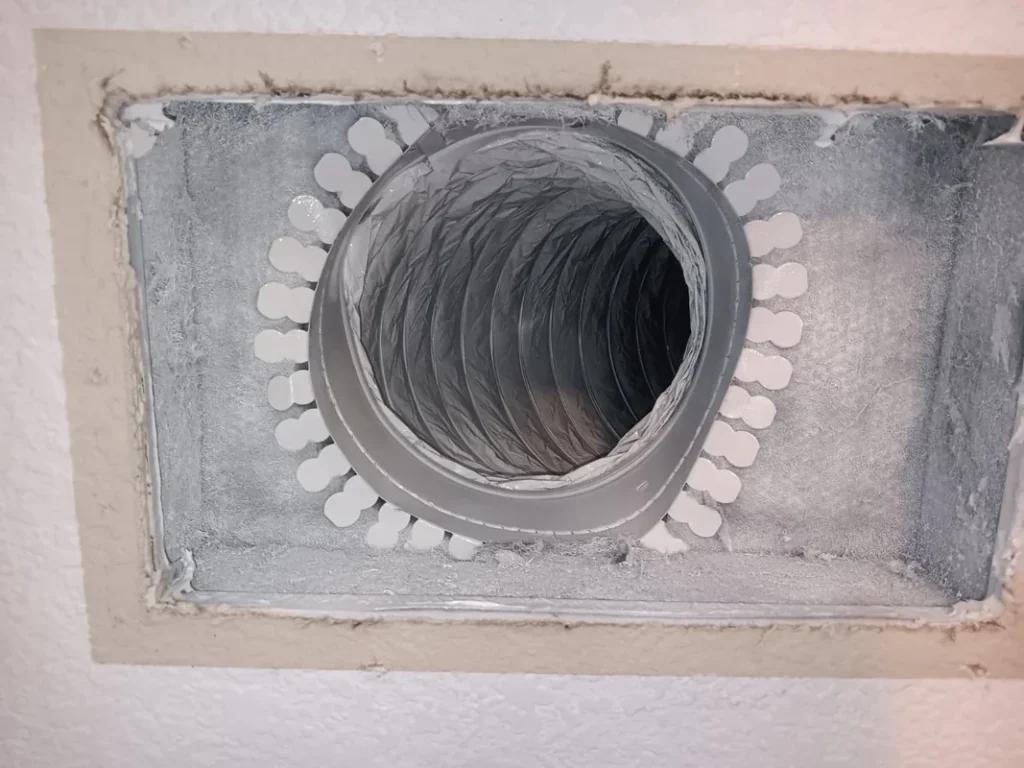
Different homes need different types of air ducts. The most common types of hvac ductwork include sheet metal, fiberglass, and flexible options. Sheet metal ducts are incredibly durable and last for decades. Fiberglass-lined ducts help reduce noise from air flow.
Flexible ducts work great in tight spaces where rigid options won’t fit. Each type of ductwork has specific advantages depending on your situation. When recommending hvac duct types to homeowners, I consider their budget and home layout. The right choice depends on your particular forced-air duct system needs.
The Real Difference Between Duct Work And Ductwork
Here’s the truth about this spelling question. There is no real difference between duct work and ductwork. They mean the same thing in practice. Some professionals prefer the two-word version. Others consistently write it as one word.
I’ve seen manufacturers use both on the same product packaging. Industry publications switch between spellings within single articles, too. What actually matters is the quality of your duct system itself. Don’t get hung up on spelling when your real concern should be performance. Focus on whether your air duct system works properly instead.
Signs Your Air Duct System Needs Professional Attention
Your duct work sends signals when something’s wrong. Uneven temperatures between rooms often indicate duct problems. Excessive dust accumulating on furniture suggests leaky connections somewhere. Higher-than-normal energy bills suggest air is escaping before reaching the rooms.
Strange noises coming from vents deserve investigation, too. I’ve found everything from disconnected sections to pest damage during inspections. Here are warning signs to watch for:
- Rooms that never seem to reach comfortable temperatures
- Visible dust puffs when your system kicks on
- Musty odors coming from your vents
- Rattling or whistling sounds during operation
- Increased allergy symptoms indoors
These issues mean your duct work needs professional evaluation soon.
When Air Duct Wear Becomes A Problem
Air duct wear happens gradually over many years. Seals dry out, and connections loosen with temperature changes. Insulation breaks down, and rodents can also cause damage. I’ve seen ductwork that looked fine on the outside but was failing on the inside.
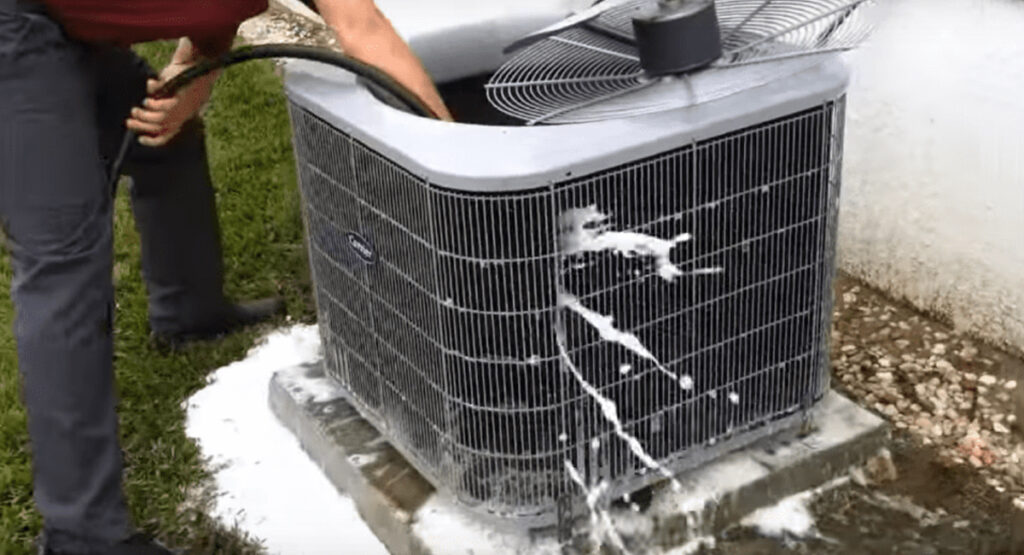
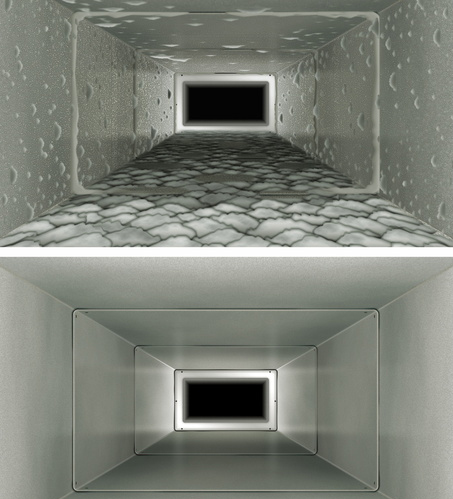
Regular ductwork cleaning helps extend your system’s lifespan considerably. Professional hvac technicians spot wear before it becomes expensive. Most experts recommend inspections every few years at a minimum. Catching air duct wear early saves significant money on repairs later.
Choosing The Right Duct Work For Your Home
Selecting appropriate duct work involves several important factors. Your home’s size determines how much capacity you’ll need. The layout affects which types of hvac systems work best. Climate also affects insulation requirements.
During ductwork installation projects, I always assess existing infrastructure first. Sometimes we can work with what’s already there. Other times, a complete replacement makes more financial sense in the long term. A proper assessment from a professional hvac technician guides this decision. They’ll evaluate your air conditioning needs and recommend accordingly.
New construction offers the most flexibility for duct work design. Retrofitting older homes presents more challenges but remains very doable. The key is working with someone who understands air flow principles thoroughly.
Trust A Professional HVAC Expert With Your Duct Work
Your home’s comfort depends on properly functioning duct work. Whether you call it ductwork or duct work, the system needs expert attention. DIY repairs to air duct components rarely turn out well, in my experience. The stakes are too high for guesswork.
A qualified hvac expert brings proper tools and training to every job. They understand how your entire system works together seamlessly. From ductwork installation to repairs and maintenance, professionals deliver lasting results. Your family deserves comfortable temperatures and clean air flow year-round.
Don’t wait until minor problems become expensive emergencies. Schedule an inspection with a trusted professional hvac team today. They’ll assess your duct work and recommend the best path forward. Investing in quality service now prevents headaches and higher costs later.
Trustindex verifies that the original source of the review is Google. Ori & his assistant took before and after videos and thoroughly explained what needed to be cleaned. Did a great job—house vents smell clean now that bacteria has been removed!Posted onTrustindex verifies that the original source of the review is Google. Great efficient service!Posted onTrustindex verifies that the original source of the review is Google. Ori and his team did a great job identifying bacteria and cleaning it for me, as well as providing a solution to help with prevention. I appreciate him and his team!Posted onTrustindex verifies that the original source of the review is Google. Thank you Green Air Duct Club. You where on time and very through. Oren presented me with before and after photos that where a great help understanding what needed to be done. Thank you for great service and price. We are very Happy!Posted onTrustindex verifies that the original source of the review is Google. I was very impressed with the clarity and efficiency of the cleaning process; the professionals explained every detail and executed the work with great precision, leaving my home completely worry free.Posted onTrustindex verifies that the original source of the review is Google. I appreciated the transparent, clear communication from the team, who meticulously cleaned every vent and provided updates that made the entire air duct cleaning process completely worry free.Posted onTrustindex verifies that the original source of the review is Google. AhabahabbaPosted onTrustindex verifies that the original source of the review is Google. Green Air Duct did a wonderful job - cleaning and disinfect our air ducts and A/C unit. Ori was honest and up front about what we needed - and didn’t need. We had them look at the insulation in the attic as well, and despite aging and based on our electrical bill, explained that it was probably not necessary. Attached are before and after of inside of duct box.Verified by TrustindexTrustindex verified badge is the Universal Symbol of Trust. Only the greatest companies can get the verified badge who has a review score above 4.5, based on customer reviews over the past 12 months. Read more
Frequently Asked Questions
How long does typical duct work last before needing replacement?
Most properly installed duct work lasts between 15 to 25 years. However, this depends on material quality and maintenance habits. Flexible ducts typically have shorter lifespans than metal options. Regular inspections help identify when replacement becomes necessary. I’ve seen well-maintained systems exceed 30 years in good condition
Can I clean my ductwork myself or should I hire professionals?
You can safely handle basic vent cover cleaning yourself. However, deep ductwork cleaning requires specialized equipment that most homeowners don’t have. Professional cleaning reaches areas you cannot access properly. I recommend DIY surface cleaning monthly and professional service every 3-5 years for thorough results.
How do I know if my home has the right size duct work?
Undersized ductwork causes weak airflow and temperature inconsistencies. Oversized ducts create efficiency problems and noise issues, too. A professional performs load calculations to determine proper sizing. If rooms feel stuffy or drafty all the time, sizing could be the problem.
Does duct work location affect my energy bills significantly?
Absolutely. Ducts running through unconditioned spaces, such as attics, constantly lose energy. Proper insulation helps, but location still matters tremendously. I’ve seen energy bills drop 20-30% after relocating poorly positioned duct work. Conditioned space installation always performs best.
What causes that musty smell coming from my vents?
Musty odors usually indicate mold or mildew growth inside your duct system. Moisture accumulation from humidity or condensation creates perfect growing conditions. This requires immediate professional inspection and cleaning. Ignoring musty smells can lead to health issues for your family.
How often should duct work be inspected by professionals?
I recommend professional inspections every 2-3 years for most homes. Older homes or those with known issues benefit from annual checks. After any major renovation, schedule an inspection promptly. Regular evaluations catch small problems before they become expensive repairs.