
- Home
- ServicesAll Cleaning & Insulation Services include a limited warranty on workmanship
Do you know how important the fresh air could be for your working environment?
Emergency cleaning services,
24 hours a day
- About Us
- Contact Us
- Service AreasWe provide a warranty on all our Cleaning & Insulation Services.
Do you know how important the fresh air could be for your working environment?
Emergency cleaning services,
24 hours a day - Blog
- FAQs
- Home
- ServicesAll Cleaning & Insulation Services include a limited warranty on workmanship
Do you know how important the fresh air could be for your working environment?
Emergency cleaning services,
24 hours a day - About Us
- Contact Us
- Service AreasWe provide a warranty on all our Cleaning & Insulation Services.
Do you know how important the fresh air could be for your working environment?
Emergency cleaning services,
24 hours a day - Blog
- FAQs

Address
17715 Overlook Loop #2208, San Antonio, TX 78259
Dryer Vent Cleaning Cost in San Antonio (2026): What Homeowners Should Expect
April 20, 2026
- By
- Green Air Duct Club
- HVAC and Air Quality Specialists
A dryer that suddenly takes two cycles to dry a normal load is not just inconvenient – it is usually a warning sign. At Green Air Duct Club, we’ve been helping homeowners understand dryer vent cleaning cost in San Antonio (2026) for years of experience, and we’ve noticed that most people call only after performance drops or a burning smell appears. One family in San Antonio thought their dryer was failing, but the real issue was a vent line packed with compacted lint. Ignoring that slowdown can lead to more than higher energy bills. Lint is highly combustible, and restricted airflow is one of the leading causes of dryer-related fires. According to the U.S. Fire Administration, failure to clean is the primary factor in these incidents. If you’re already researching professional dryer duct cleaning services, understanding costs and risks now can prevent expensive damage later.
What Proper Dryer Vent Cleaning Looks Like in 2026
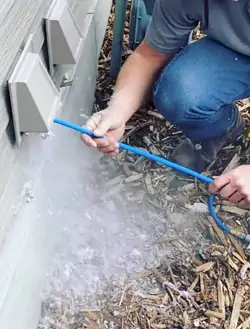
Thorough dryer vent cleaning is about restoring safe airflow, not just removing visible lint. We prioritize code compliance, measurable airflow improvement, and full-line inspection from the dryer connection to the exterior cap. A professional service should include:
- Full disconnection of the dryer and inspection of the transition duct.
- Rotary brush cleaning matched to duct diameter (typically 4 inches).
- High-powered negative air vacuum collection with HEPA filtration.
- Inspection of elbows, roof caps, and bird guards for blockage.
- Airflow verification before and after cleaning.

How Often to Clean and What Affects Cost
Most single-family homes benefit from dryer vent cleaning every 12 months. Larger households running multiple loads daily may need service every 6 – 9 months. In our experience, homes with pets accumulate lint faster due to hair binding with fabric fibers. Typical dryer vent cleaning in San Antonio may range from $120 to $250 for straightforward, single-story runs under 15 feet. More complex systems – roof exits, second-story laundry rooms, or heavily compacted lint – can range from $250 to $450. Pricing fluctuates based on:
- Site complexity (roof access, attic routing, number of elbows).
- Material condition (damaged or non-code ducts requiring replacement).
- Total scope (basic cleaning vs. full inspection and airflow testing).
Schedule a Dryer Vent Assessment
If your dryer is running longer, overheating, or venting weakly, a professional assessment can clarify the cause and prevent fire risk. We inspect the full vent path, measure airflow, and identify code or safety concerns specific to your home layout in San Antonio. Whether you need routine maintenance or corrective work for a long roof run, our team provides clear findings and realistic cost expectations. Take the next step before minor lint buildup becomes a major repair expense.

FAQs
How much does dryer vent cleaning typically cost in San Antonio in 2026?
Most standard dryer vent cleanings in San Antonio fall between $120 and $250 for single-story homes with short, accessible duct runs. Costs increase when vents exit through the roof, run through attics, or include multiple 90-degree elbows that trap lint. Heavily compacted systems requiring extended rotary brushing and airflow testing can exceed $300. Homes with damaged or non-code transition ducts may also require replacement with semi-rigid aluminum connectors, which adds material and labor. The final cost depends on accessibility, duct length, and whether additional corrections are necessary to meet IRC M1502 requirements for safe exhaust systems.
Why is dryer vent cleaning necessary if I already clean the lint trap?
The lint trap captures only a portion of lint generated during drying. Fine fibers pass through the screen and accumulate along the duct walls, especially at elbows and vertical sections. Over time, this buildup restricts airflow, forcing the dryer to operate at higher temperatures for longer cycles. That added heat stresses heating elements, thermostats, and thermal fuses. The U.S. Fire Administration reports that failure to clean is a leading factor in dryer fires. Cleaning the trap protects the drum area; cleaning the vent protects the exhaust pathway, motor efficiency, and the structural safety of your home.
What factors affect the total price of dryer vent cleaning?
Dryer vent cleaning costs may range widely depending on three primary variables: site complexity, material costs, and total scope. Site complexity includes roof access, attic routing, or multi-story configurations. Material costs may increase if damaged ducts or non-compliant flexible hoses require replacement. Total scope covers whether the service includes airflow testing, bird guard removal, or full system inspection. In San Antonio, straightforward jobs typically start around $120, while complex roof-vent systems might range between $250 and $450. These figures are preliminary benchmarks for informational purposes only and do not constitute a binding quote. An on-site evaluation is required for a final proposal.
Can I clean my dryer vent myself or should I hire a professional?
Homeowners can perform light maintenance, such as cleaning the lint trap after every load and vacuuming the immediate transition duct area. However, full vent cleaning often requires specialized rotary brush systems, flexible rods, and high-powered HEPA vacuums to remove compacted lint from long or vertical runs. Roof-vent systems common in San Antonio also involve ladder safety and proper cap inspection. DIY kits may clear surface debris but often leave dense plugs at elbows. Professional service ensures full-length cleaning, airflow verification, and code compliance, reducing fire risk and protecting appliance warranties.
What are the warning signs that my dryer vent needs cleaning?
Watch for drying cycles that take longer than normal, clothing that feels excessively hot, or a burning or musty odor during operation. The exterior vent hood should open fully with strong airflow when the dryer runs. If it barely moves or lint is visible around the opening, restriction is likely. Another sign is a laundry room that feels unusually humid. These symptoms indicate trapped heat and moisture, which increase fire risk and can promote mold growth in enclosed spaces. Addressing these signs early prevents expensive heating element or thermal fuse failures.
Are there common dryer vent issues specific to San Antonio homes?
Yes. Many San Antonio homes route dryer vents vertically through the attic and out the roof. These longer runs increase equivalent duct length and create more opportunities for lint to settle, especially at 90-degree elbows. High attic temperatures can also accelerate lint drying and compaction. Additionally, some older homes still use flexible foil or plastic ducts that sag and trap debris. We frequently replace these with code-compliant semi-rigid or rigid metal ducts to improve airflow and reduce fire risk. Regular inspections are especially important for roof-vent configurations.
What should I look for when hiring a dryer vent cleaning company?
Choose a company that inspects the entire vent path, not just the portion behind the dryer. They should disconnect the appliance, check the transition duct, and verify airflow after cleaning. Ask whether they follow IRC M1502 code requirements and whether they use rotary brush systems with negative air collection. Insurance coverage and clear written estimates are also important. Companies that quote extremely low prices without inspecting roof or attic access often perform incomplete cleanings. A reputable provider explains findings, documents blockages, and outlines corrective steps if needed.
When should I treat a dryer vent issue as urgent?
If you smell burning, notice scorching on clothing, or see lint accumulating around the dryer base, stop using the appliance until it is inspected. While dryer vent cleaning is not typically an emergency service, overheating can quickly damage heating elements and wiring. You can unplug the dryer and check for obvious lint around the transition duct, but avoid dismantling internal components. Schedule professional service promptly if airflow is weak or cycles are unusually long. Acting early reduces fire risk and prevents avoidable appliance repair costs.