

Air Vent Filters Explained | 101 On Air Filters
If you’ve ever wondered what those mesh screens in your floor vents actually do, you’re not alone. We get questions about air vent filters all the time from homeowners. These simple additions can make a real difference in your home’s dust control. They trap particles before they float through your living spaces. In this guide, we’ll break down everything you need to know. You’ll learn how they work, when they help, and when to call in a pro.
What Are Air Vent Filters and How Do They Work?
Air vent filters are thin materials that sit inside your register covers. They catch dust, pet hair, and debris as air moves through your HVAC system. Think of them as an extra layer of protection for your indoor air. We’ve installed thousands of these in homes across the area.
The concept is pretty straightforward. Your HVAC furnace pushes conditioned air through ducts and out your vents. Without filtration at the vent level, particles travel freely into your rooms. Air vent filters act like a net. They trap contaminants right at the source. This means less dust settling on your furniture and cleaner air to breathe.
Types of Air Vent Filters for Your Home
Not all products work the same way. You’ll find several options when shopping for air vent filters. Mesh screens are the most basic and affordable choice. They catch larger particles but let smaller ones through. Electrostatic floor vent options use static charge to attract dust. They’re reusable and work well for general dust control.
For better filtration, consider MERV 8 triple vent filter kit options. These catch smaller particles more effectively. If odors concern you, activated carbon air vent filters absorb smells too. Charcoal vent products work great near kitchens or pet areas. We recommend matching your choice to your specific needs.
Register Vent Filters vs. Furnace Air Filter
Here’s something we explain daily to customers. Register options and furnace options serve different purposes. Your furnace air filter protects your HVAC equipment. It sits in the return air section of your system. This catches particles before they reach your blower and coils.
Floor register products work differently. They clean air as it exits into your rooms. Think of your furnace setup as the main defense. Register vent filters provide backup protection at each vent cover. Both matter for good indoor air quality. We always suggest using both together for the best results.
Types of HVAC Compressors in Modern AC Units
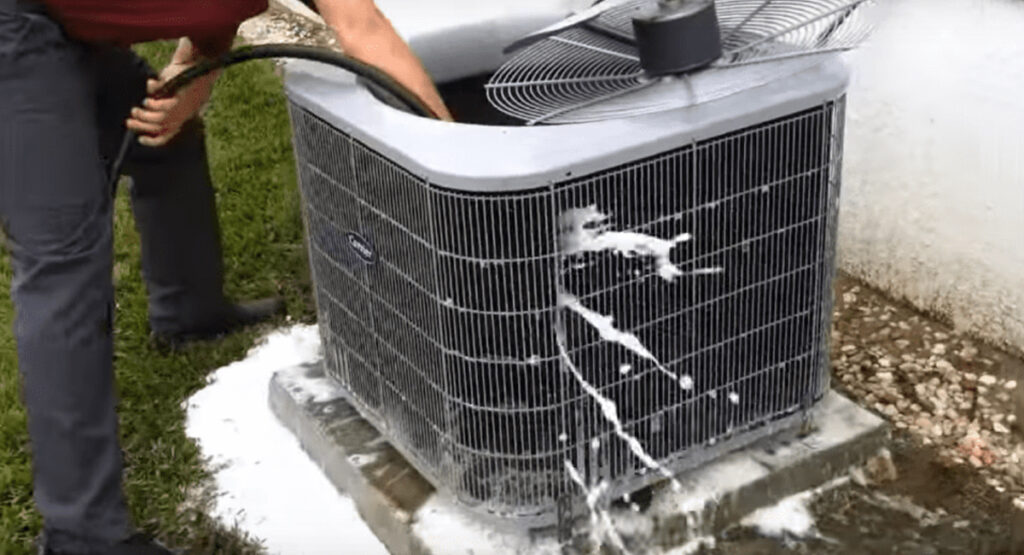
Not all are built the same. Different types of HVAC compressors serve different needs. The type in your AC unit affects efficiency, noise, and longevity. Most residential systems use one of a few common designs. Understanding these helps you make smarter decisions about your HVAC system.
Here are the main types you’ll find:
- Reciprocating use pistons to compress refrigerant
- Scrolls use two spiral-shaped scrolls
- Rotary works well in smaller AC units
- Centrifugal handles large commercial applications
The Pros and Cons of Air Vent Filters
Let’s be real about what these products can and can’t do. Air vent filters offer some genuine benefits. They reduce dust on surfaces near vents. They catch pet hair and larger debris effectively. Many homeowners notice less frequent cleaning needs.
However, they have limitations too. Here are the key considerations:
- They can restrict air flow if not changed regularly
- Cheap options may not catch fine particles
- They don’t replace your main furnace setup
- Some materials break down quickly
- Dirty screens make your system work harder
We’ve seen homeowners skip furnace maintenance because they added vent products. That’s a mistake. Air vent filters supplement your system, they don’t replace proper care.
How to Install Air Vent Filters the Right Way
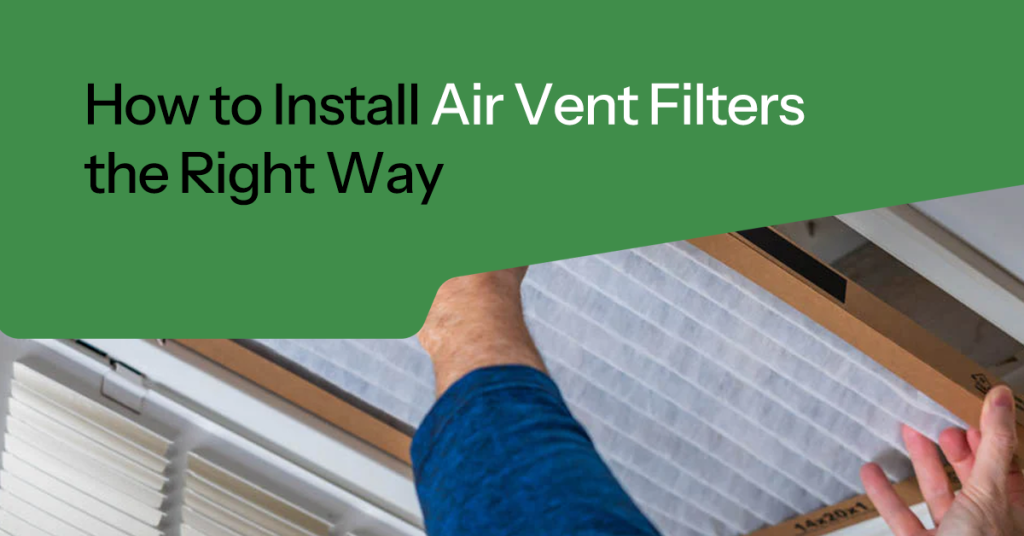
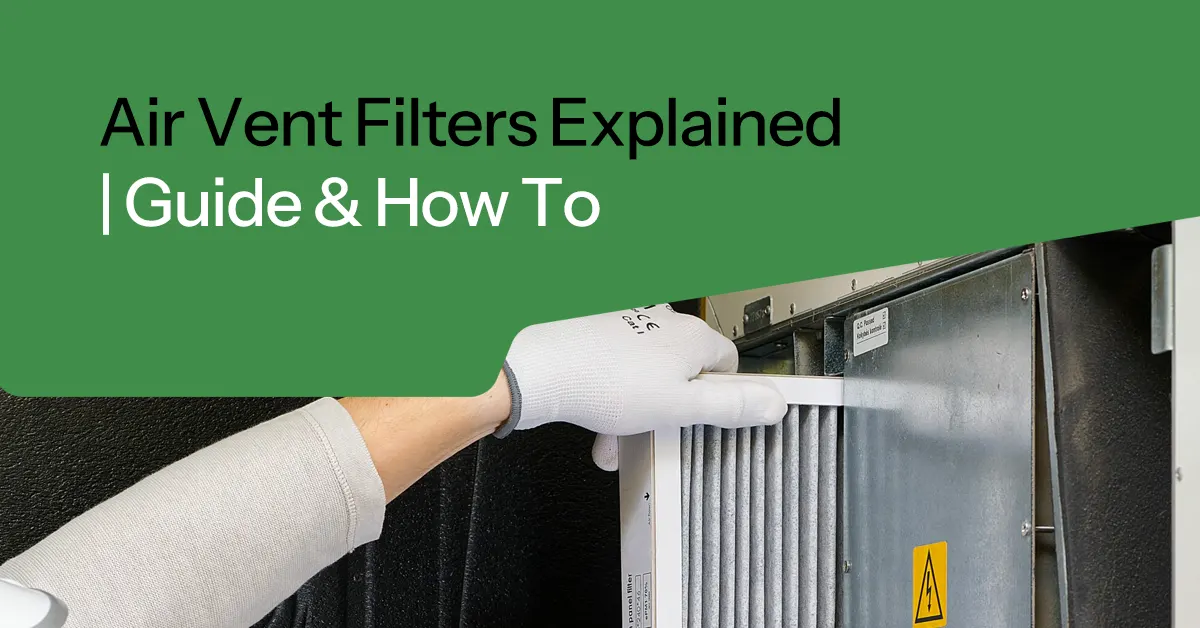
Installing these products is usually simple. Most air vent filters for home use require no tools. You remove your floor vent cover or ac vent cover grill. Then you cut the material to size if needed. Place it inside the register and put the cover back on.
Pay attention to the direction markings. Many products have an airflow arrow printed on them. This matters for electrostatic materials especially. Wrong installation reduces effectiveness. We recommend checking monthly. Replace them when they look gray or clogged. Clean setups mean better filtered air throughout your home.
Size matters more than you might think. Measure your floor register cover before buying. Common sizes include 4 x 10 inch and various 24 floor vent dimensions. Many vent kit products come with multiple sizes. You can also buy electrostatic roll material and cut custom pieces.
Material affects performance significantly. Polyester options last longer than fiberglass. MERV 13 products catch more particles but may restrict airflow. Carbon varieties add odor control. We typically recommend mid-range options for most homes. They balance filtration with proper air flow through your system.
Choosing the Right Size and Material
Size matters more than you might think. Measure your floor register cover before buying. Common sizes include 4 x 10 inch and various 24 floor vent dimensions. Many vent kit products come with multiple sizes. You can also buy electrostatic roll material and cut custom pieces.
Material affects performance significantly. Polyester options last longer than fiberglass. MERV 13 products catch more particles but may restrict airflow. Carbon varieties add odor control. We typically recommend mid-range options for most homes. They balance filtration with proper air flow through your system.
Why Professional HVAC Services Matter for Indoor Air Quality
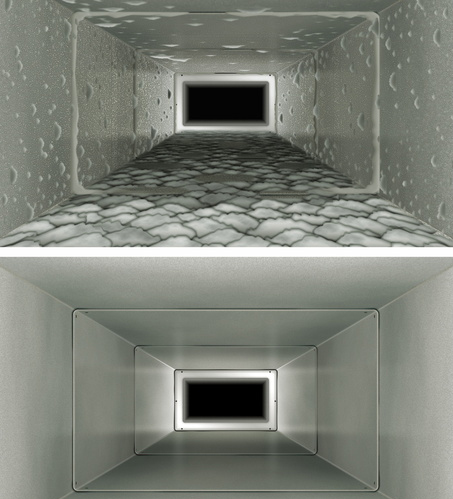
Air vent filters help, but they’re just one piece of the puzzle. Your entire HVAC system needs attention for truly cleaner air. Professional technicians clean air ducts thoroughly. We inspect your furnace setup and recommend proper sizing. Sometimes poor indoor air quality points to bigger issues.
Your air conditioner and heating system work together constantly. Dirty coils, clogged ducts, or failing components affect everything. An air purifier might help certain situations. But nothing replaces proper system maintenance. We’ve seen homes where adding screens masked real problems. Regular professional service catches issues early. It keeps your family breathing easy and your equipment running efficiently.
Keep Your Air Clean with the Right Air Vent Filters
Air vent filters offer an affordable way to reduce dust and improve comfort. They work best alongside regular HVAC maintenance. Choose quality products that match your needs. Install them correctly and change them often. Your lungs and your furniture will thank you.
Remember, these additions supplement your system. They don’t replace professional care. If you’re struggling with dust control or air quality concerns, give us a call. We’ll assess your entire setup and recommend the best approach. Sometimes a simple upgrade makes a huge difference. Other times, your system needs deeper attention. Either way, breathing clean air at home shouldn’t be complicated.
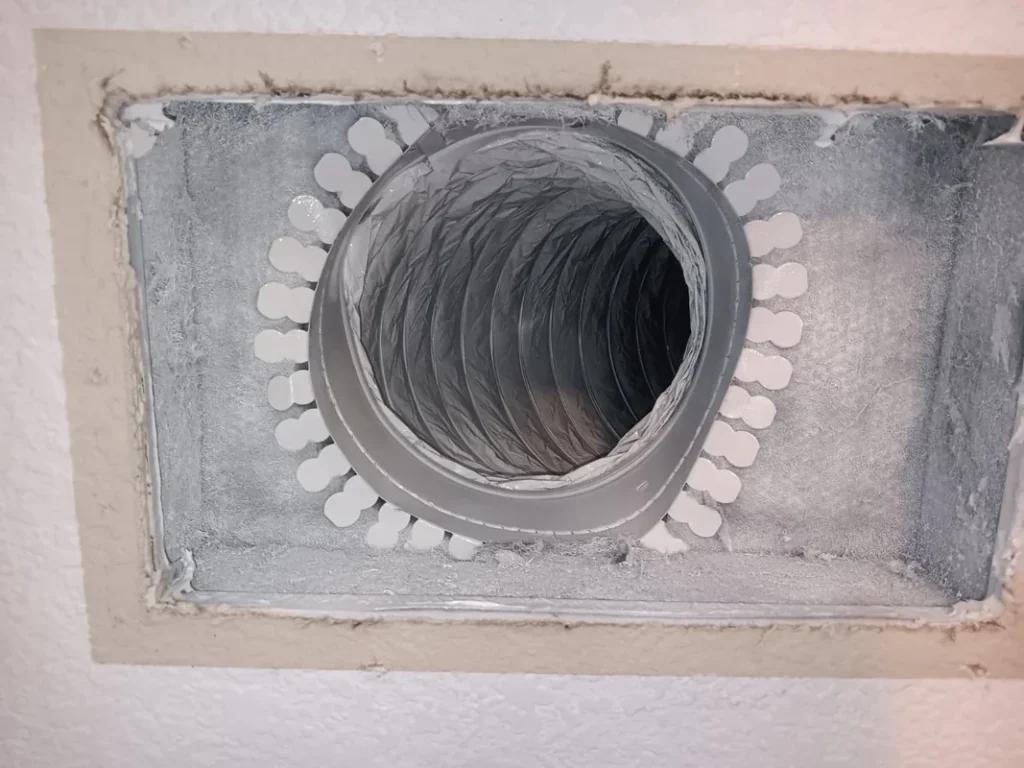
Trustindex verifies that the original source of the review is Google. Ori & his assistant took before and after videos and thoroughly explained what needed to be cleaned. Did a great job—house vents smell clean now that bacteria has been removed!Posted onTrustindex verifies that the original source of the review is Google. Great efficient service!Posted onTrustindex verifies that the original source of the review is Google. Ori and his team did a great job identifying bacteria and cleaning it for me, as well as providing a solution to help with prevention. I appreciate him and his team!Posted onTrustindex verifies that the original source of the review is Google. Thank you Green Air Duct Club. You where on time and very through. Oren presented me with before and after photos that where a great help understanding what needed to be done. Thank you for great service and price. We are very Happy!Posted onTrustindex verifies that the original source of the review is Google. I was very impressed with the clarity and efficiency of the cleaning process; the professionals explained every detail and executed the work with great precision, leaving my home completely worry free.Posted onTrustindex verifies that the original source of the review is Google. I appreciated the transparent, clear communication from the team, who meticulously cleaned every vent and provided updates that made the entire air duct cleaning process completely worry free.Posted onTrustindex verifies that the original source of the review is Google. AhabahabbaPosted onTrustindex verifies that the original source of the review is Google. Green Air Duct did a wonderful job - cleaning and disinfect our air ducts and A/C unit. Ori was honest and up front about what we needed - and didn’t need. We had them look at the insulation in the attic as well, and despite aging and based on our electrical bill, explained that it was probably not necessary. Attached are before and after of inside of duct box.Verified by TrustindexTrustindex verified badge is the Universal Symbol of Trust. Only the greatest companies can get the verified badge who has a review score above 4.5, based on customer reviews over the past 12 months. Read more
Frequently Asked Questions
Q: How often should I replace my air vent products?
A: We recommend checking monthly and replacing every 30 to 90 days. Homes with pets or allergy sufferers may need more frequent changes. Look for visible dust buildup or gray discoloration. If the screen looks dirty, swap it out. Clean setups maintain proper airflow and keep your indoor air fresh
Q: Do air vent filters reduce allergies?
A: They can help reduce airborne allergens in your home. However, results vary based on product quality and your specific allergies. Higher MERV-rated options catch smaller particles like pollen and dust mites. For serious allergy concerns, combine vent products with quality furnace care and regular duct cleaning.
Q: Will air vent filters damage my HVAC system?
A: They won’t cause damage when used correctly. However, clogged or dirty screens restrict airflow. This makes your system work harder and increases energy costs. Some very dense materials may reduce airflow too much. Stick with products designed for residential use and change them regularly to avoid problems.
Q: Can I wash and reuse my vent screens?
A: Some are reusable, others are not. Electrostatic options can typically be washed and reused multiple times. Disposable mesh or fiberglass products should be replaced, not cleaned. Check the manufacturer’s instructions on your specific purchase. Reusable options cost more upfront but save money over time.
Q: Are air vent filters worth the money?
A: For most homeowners, yes. They’re inexpensive and reduce dust accumulation noticeably. If you have pets, kids, or anyone with respiratory sensitivities, the benefits increase. They won’t solve major air quality problems alone. But as part of a complete approach, they provide good value for minimal investment.
Q: Do I still need furnace products if I use vent options?
A: Absolutely yes. Your main furnace air filter protects your HVAC equipment from damage. Vent products only catch particles at the room level. Skipping furnace maintenance leads to dirty coils, reduced efficiency, and potential breakdowns. Always maintain both types for the best protection and air quality.