
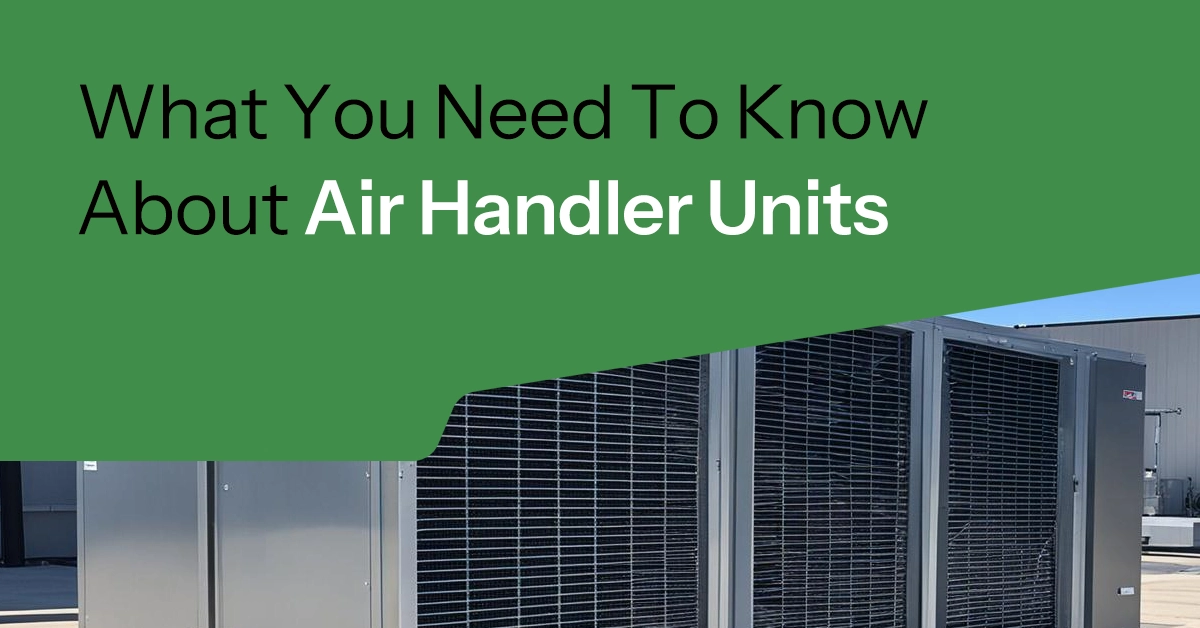
If you’ve ever wondered what keeps your home comfortable year-round, here’s a secret. Your air handler unit does a lot of the heavy lifting. We work with these systems daily, and honestly, most homeowners don’t know they exist. That’s a shame because understanding this equipment helps you make smarter decisions. It also saves you money on repairs down the road. Let’s break down everything you need to know about this essential piece of your home comfort system.
Understanding Air Handler Units and Their Role in HVAC Systems
So what exactly is an air handler unit? Think of it as the lungs of your HVAC system. It’s the indoor component that moves conditioned temperatures throughout your home. Without it, your heating and cooling equipment would just sit there doing nothing useful.
We’ve installed hundreds of these units over the years. Each time, we explain to homeowners how critical this component really is. The air handler unit connects to your ductwork and pushes treated temperatures into every room. It also pulls return temperatures back for reconditioning. This constant circulation keeps your indoor environment comfortable and healthy.
How Does an Air Handler Unit Work?
Here’s where things get interesting. Your air handler unit contains several parts working together seamlessly. When your thermostat calls for heating or cooling, the unit kicks into action. The blower motor starts spinning and pulls indoor temperatures through the return ducts.
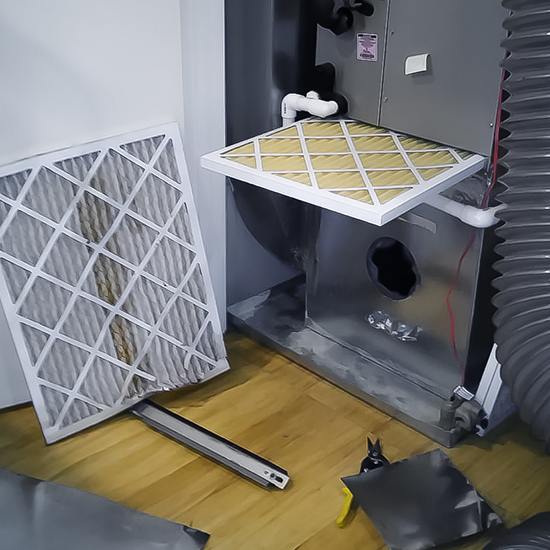
From there, the temperatures pass through filters that trap dust and allergens. Then they move across coils that either heat or cool them. Finally, the blower pushes everything back into your living spaces. We’ve seen this process happen thousands of times. It never gets old watching a well-maintained air handler unit do its job perfectly.
Key Components of an Air Handler You Should Know
Every air handler unit contains specific parts that make the magic happen. Understanding these helps you communicate better with technicians. It also helps you spot problems early before they become expensive disasters.
Here are the main components we check during every service call:
- Blower motor: Powers the fan that circulates air throughout your home
- Evaporator coil: Removes heat and humidity during cooling cycles
- Filter rack: Holds filters that clean incoming air before distribution
- Plenum: The chamber where conditioned air collects before distribution
Each component needs regular attention. We always tell our customers that knowing these parts makes them better homeowners.
The Difference Between an Air Handler Unit and a Furnace
This question comes up constantly in our line of work. People confuse these two pieces of equipment all the time. Here’s the simple breakdown. A furnace generates heat by burning fuel or using electricity. An air handler unit doesn’t create temperatures at all.
Instead, your air handler unit moves temperatures that other equipment produces. It works alongside heat pumps or central cooling systems. A furnace has its own blower built in. That’s why homes with furnaces don’t always need separate handlers. We help customers figure out which setup makes sense for their specific situation.
Types of Air Handlers for Residential Homes
Not all handlers are created equal. Different homes need different solutions. We’ve worked with every type imaginable. Single-speed units are the most basic and affordable option. They run at one speed regardless of conditions.
Variable-speed handlers offer more flexibility and efficiency. They adjust output based on what your home actually needs. Multi-position units work in tight spaces like attics or closets. We recommend these for homes with limited installation options. Your air handler unit choice depends on your budget, space, and comfort goals.
Why Your AC Unit Needs a Proper Air Handler
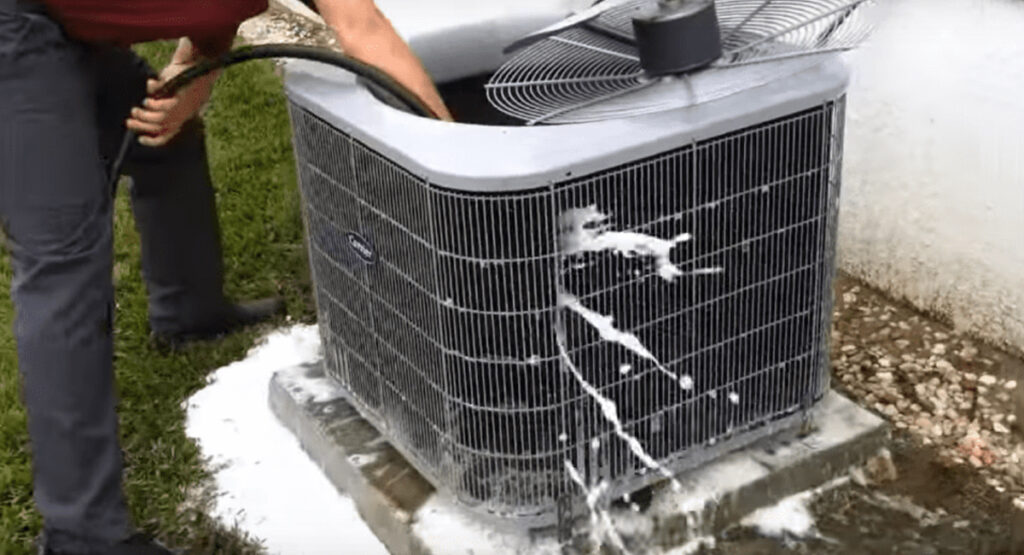
Your cooling equipment can’t work alone. It needs a partner to distribute that cold comfort. This is where your air handler unit becomes essential. The outdoor condenser removes heat from the refrigerant. But something has to circulate that cooled refrigerant effect through your home.
We’ve seen systems struggle because the handler couldn’t keep up. Mismatched equipment leads to poor performance and higher bills. When we install new systems, we always ensure proper matching. Your air handler unit should complement your outdoor equipment perfectly. This partnership determines how efficiently your entire system operates.
Maintaining Your Air Handler for Peak Performance
Regular maintenance keeps your air handler unit running smoothly for years. We can’t stress this enough to our customers. Changing filters monthly is the easiest thing you can do. Dirty filters restrict flow and force your system to work harder.
Beyond filters, professional tune-ups catch problems early. Technicians clean coils, check electrical connections, and lubricate moving parts. We recommend annual inspections at a minimum. Homes with pets or allergies benefit from more frequent attention. A well-maintained air handler unit lasts longer and costs less to operate.
Signs You Need HVAC Service
Sometimes your air handler unit tells you something is wrong. You just need to listen. Unusual noises like grinding or squealing indicate mechanical problems. Weak flow from vents suggests blower issues or duct problems.
Higher energy bills without explanation often point to struggling equipment. We also watch for inconsistent temperatures between rooms. If some areas feel fine while others don’t, your handler might be failing. Don’t ignore these warning signs. Early intervention saves money and prevents uncomfortable breakdowns during extreme weather.
Trust the Experts for Your Air Handler Unit Needs
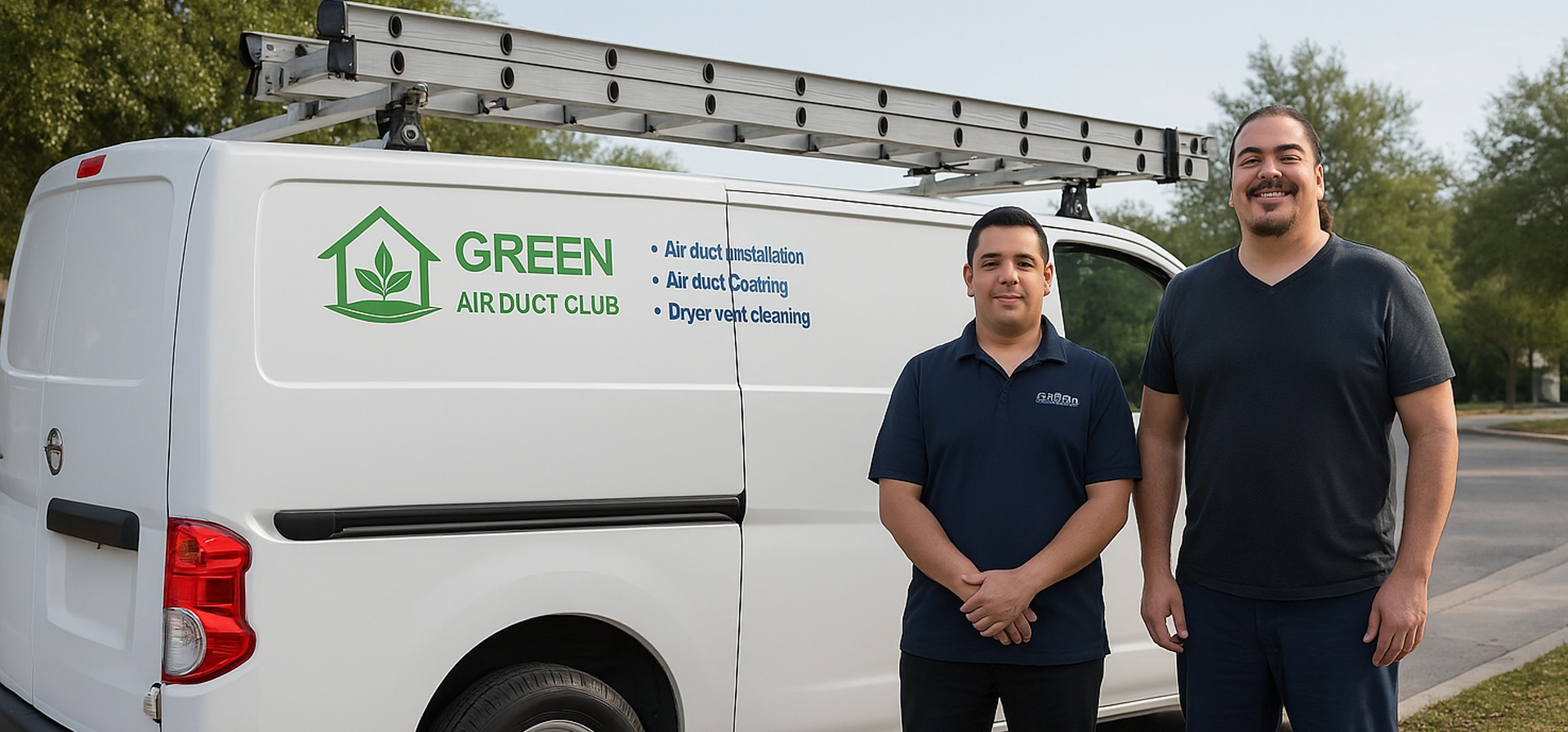
Look, we get it. HVAC stuff seems complicated and intimidating. But you don’t have to figure everything out alone. Professional technicians handle these systems every single day. We know what to look for and how to fix problems correctly the first time.
Your air handler unit deserves expert care from people who understand it completely. Whether you need installation, repair, or maintenance, trained professionals deliver results. They also provide honest advice about when repair makes sense versus replacement. Investing in professional service protects your comfort and your wallet for years to come.
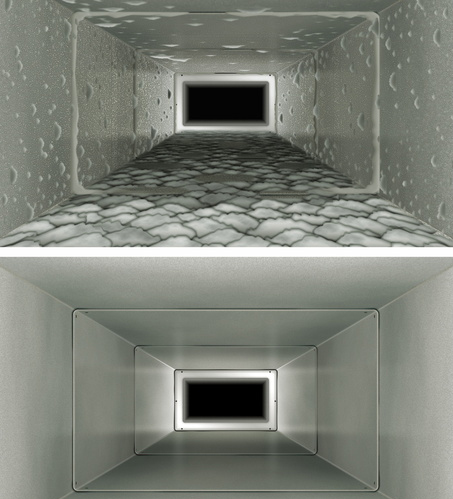
Trustindex verifies that the original source of the review is Google. Ori & his assistant took before and after videos and thoroughly explained what needed to be cleaned. Did a great job—house vents smell clean now that bacteria has been removed!Posted onTrustindex verifies that the original source of the review is Google. Great efficient service!Posted onTrustindex verifies that the original source of the review is Google. Ori and his team did a great job identifying bacteria and cleaning it for me, as well as providing a solution to help with prevention. I appreciate him and his team!Posted onTrustindex verifies that the original source of the review is Google. Thank you Green Air Duct Club. You where on time and very through. Oren presented me with before and after photos that where a great help understanding what needed to be done. Thank you for great service and price. We are very Happy!Posted onTrustindex verifies that the original source of the review is Google. I was very impressed with the clarity and efficiency of the cleaning process; the professionals explained every detail and executed the work with great precision, leaving my home completely worry free.Posted onTrustindex verifies that the original source of the review is Google. I appreciated the transparent, clear communication from the team, who meticulously cleaned every vent and provided updates that made the entire air duct cleaning process completely worry free.Posted onTrustindex verifies that the original source of the review is Google. AhabahabbaPosted onTrustindex verifies that the original source of the review is Google. Green Air Duct did a wonderful job - cleaning and disinfect our air ducts and A/C unit. Ori was honest and up front about what we needed - and didn’t need. We had them look at the insulation in the attic as well, and despite aging and based on our electrical bill, explained that it was probably not necessary. Attached are before and after of inside of duct box.Verified by TrustindexTrustindex verified badge is the Universal Symbol of Trust. Only the greatest companies can get the verified badge who has a review score above 4.5, based on customer reviews over the past 12 months. Read more
Frequently Asked Questions
Q: How long does an average air handler unit last?
A: Most units last between 15 and 25 years with proper maintenance. We’ve seen some run even longer when homeowners stay on top of filter changes and annual tune-ups. However, efficiency drops as equipment ages. If your unit is over 15 years old, consider having a technician evaluate its performance and discuss replacement options.
Q: Can I install an air handler unit myself?
A: We strongly advise against DIY installation. These units require proper electrical connections, refrigerant line handling, and ductwork integration. Incorrect installation causes efficiency problems and potential safety hazards. Professional installers ensure everything meets code requirements and manufacturer specifications for warranty protection.
Q: How much does a new air handler unit cost?
A: Prices typically range from $1,500 to $4,000 for the unit alone. Installation adds another $500 to $1,500, depending on complexity. Variable-speed models cost more upfront but save money through improved efficiency. We always recommend getting multiple quotes before making this significant investment.
Q: Where is my air handler unit located?
A: Most residential units sit in closets, attics, basements, or garages. They’re always indoors, unlike condensers that sit outside. If you can’t find yours, follow your return duct backward from a vent. The handler connects to your main ductwork, where everything comes together.
Q: Why is my air handler unit making loud noises?
A: Common culprits include loose components, worn bearings, or debris caught in the blower. Squealing often indicates belt problems in older units. Grinding suggests motor issues requiring immediate attention. We recommend turning off the system and calling a technician before noise-related problems cause expensive damage.
Q: How often should I change my air handler filter?
A: Standard filters need replacement every 30 to 90 days. Homes with pets, allergies, or high dust levels should change filters monthly. Higher-quality filters sometimes last longer. We always check filter condition during service calls and recommend the best schedule based on your specific situation.