
- Home
- ServicesAll Cleaning & Insulation Services include a limited warranty on workmanship
Do you know how important the fresh air could be for your working environment?
Emergency cleaning services,
24 hours a day
- About Us
- Contact Us
- Service AreasWe provide a warranty on all our Cleaning & Insulation Services.
Do you know how important the fresh air could be for your working environment?
Emergency cleaning services,
24 hours a day - Blog
- FAQs
- Home
- ServicesAll Cleaning & Insulation Services include a limited warranty on workmanship
Do you know how important the fresh air could be for your working environment?
Emergency cleaning services,
24 hours a day - About Us
- Contact Us
- Service AreasWe provide a warranty on all our Cleaning & Insulation Services.
Do you know how important the fresh air could be for your working environment?
Emergency cleaning services,
24 hours a day - Blog
- FAQs

Address
17715 Overlook Loop #2208, San Antonio, TX 78259
Air Duct Cleaning Scams to Avoid (and How to Choose a Legit Company)
February 11, 2026
- By
- Green Air Duct Club
A homeowner once called us after paying a “$79 whole-house duct cleaning” that left dust blowing harder than before. At Green Air Duct Club, we’ve been helping homeowners with air duct services for years, and situations like this are a familiar warning sign. Our team often gets calls when something feels off after a too-good-to-be-true offer. Over the years, we’ve seen how air duct cleaning scams to avoid usually follow the same playbook: vague pricing, scare tactics about mold, and no proof of work. One early red flag is when a company refuses an inspection. We always start with a documented evaluation, similar to what’s outlined in our air duct inspection services, because skipping that step is how homeowners end up paying twice – once to a scammer, and again to fix the damage.
Professional standards that separate real service from scams
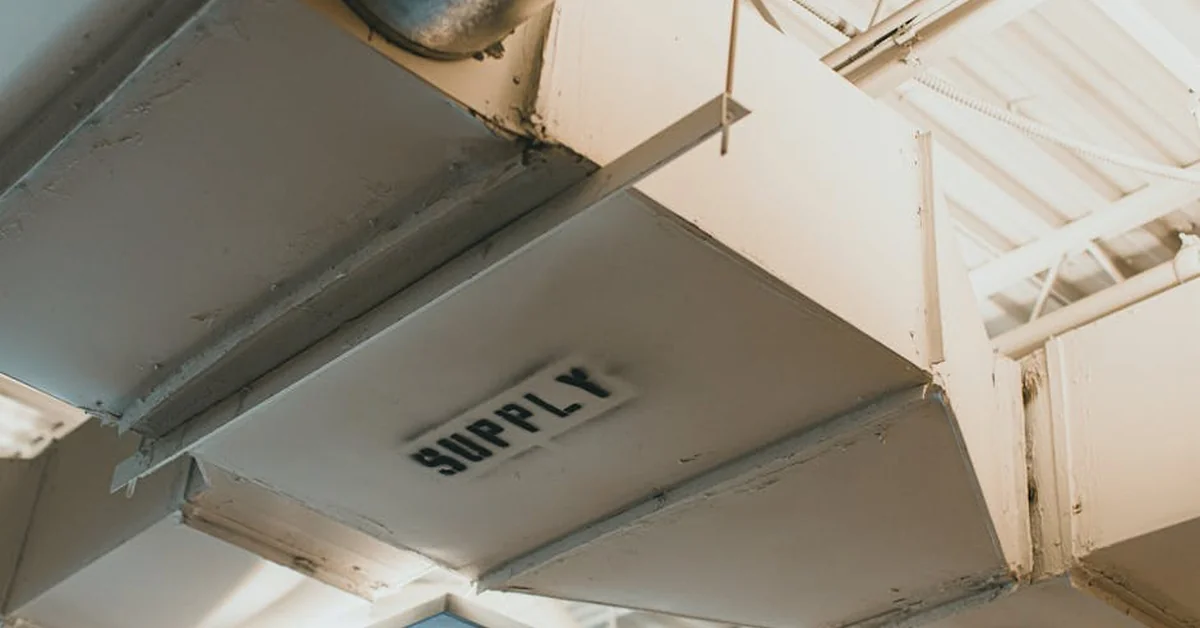
Legitimate air duct cleaning follows defined standards, not sales scripts. We frame every project around documentation, containment, and verification because that’s what actually protects the HVAC system and the home. NADCA standards (ACR) require source removal using negative pressure, along with access openings that are sealed to code afterward. A credible company explains this upfront and prices the job based on system size, not the number of vents alone. What quality service includes:
- Pre-cleaning inspection with photos or video
- Negative-air containment to prevent cross-contamination
- Mechanical agitation matched to duct material
- Cleaning of coils, blower, and drain pan when needed
- Post-cleaning verification and sealed access ports

Timelines, cost factors, and realistic expectations
Planning ahead is the most reliable way to avoid being rushed into a bad decision. We’ve seen homeowners accept questionable offers because the system was already open or the technician claimed urgency. A client once delayed routine HVAC maintenance and then accepted an emergency duct cleaning upsell during a breakdown. The real issue was a failing blower motor, something later addressed through proper HVAC repair services. The duct cleaning didn’t solve comfort or air quality, and the cost could have been avoided with earlier planning. From our experience, professional duct cleaning timelines typically look like this:
- Inspection: 30 – 60 minutes
- Standard home cleaning: 3 – 5 hours
- Larger or heavily contaminated systems: up to a full day
- Site complexity and duct layout
- Material type (metal vs. flex)
- Total scope, including coils or insulation issues
Schedule a Clear, Documented Assessment
If something about a duct cleaning offer doesn’t add up, the next step is clarity, not pressure. We recommend starting with a documented inspection that shows exactly what’s inside the system and what work is justified. Our team focuses on evidence-based recommendations, written scopes, and realistic timelines so homeowners can make informed decisions. A straightforward assessment helps confirm whether cleaning is necessary, identify related HVAC or insulation issues, and prevent wasted spending on unnecessary add-ons. When you’re ready for answers backed by documentation, we’re here to help you move forward with confidence.

FAQs
What are the most common air duct cleaning scams to avoid?
The most common scams often begin with extremely low advertised prices that rise sharply once technicians arrive and claim unexpected issues. Another frequent tactic is asserting widespread mold contamination without performing proper testing or providing lab results. Some companies also refuse to show clear before and after documentation, which makes it difficult to verify any real improvement. We have also seen scare tactics tied to alarming health claims that are not supported by a professional inspection. A legitimate provider will take time to explain findings using clear photos or video captured from inside the duct system and will reference recognized standards such as NADCA ACR. If a company immediately pushes chemical fogging treatments, avoids answering detailed questions, or refuses to put the full scope of work in writing, those are strong warning signs. In these cases, it is wise to pause, gather more information, and seek another qualified opinion before moving forward.
How can homeowners verify if duct cleaning is actually needed?
Verification starts with inspection, not assumptions, and it should follow a clear and repeatable process. Trained technicians look for visible debris, documented microbial growth, damaged components, or airflow restrictions that are confirmed through cameras, pressure readings, or other measurable tools. These findings provide objective justification for any recommendation. We caution homeowners against relying on dust at vents alone, since this is often caused by filter gaps, leaky returns, or normal household activity rather than dirty ducts. A proper evaluation includes checking filter fit and condition, measuring static pressure, inspecting coils and drain pans, and reviewing insulation integrity. When a provider can clearly show where contamination exists, explain why it matters, and describe how it affects system performance or indoor air quality, the recommendation is based on evidence and education instead of sales pressure or fear based tactics.
How much does legitimate air duct cleaning usually cost and how long does it take?
Costs can vary widely based on system size, condition, and access, with typical pricing ranging from several hundred dollars to well over a thousand. Smaller and easily accessible systems often fall at the lower end of the spectrum, while larger or more complex configurations require additional labor and materials. Project timelines may span from a few hours for straightforward jobs to a full day or longer when conditions are more demanding. Key pricing factors include site layout, the level of buildup or contamination present, material and equipment requirements, and the overall scope of work requested. Systems with heavy debris, microbial growth, or coils that require detailed cleaning generally take more time and specialized effort. All cost and time estimates provided are intended as general reference points only. A thorough on site inspection is necessary to confirm conditions and deliver an accurate, finalized proposal.
Is air duct cleaning something homeowners can do themselves?
Basic maintenance such as replacing HVAC filters on schedule and keeping supply and return registers free of dust is well within the scope of most homeowners. These simple tasks support efficient airflow and help reduce everyday buildup. Full duct cleaning, however, is a more complex process that requires negative-air equipment, sealed access points, and tools matched to specific duct materials and layouts. Without proper containment, DIY efforts can loosen debris without capturing it, allowing dust, allergens, and microbial particles to spread throughout the home. That outcome can worsen indoor air quality and strain system components. Professional service is strongly recommended when visible contamination is present, airflow is noticeably restricted, persistent odors occur, or internal components beyond the vents need attention. Trained technicians follow established procedures that protect the HVAC system, prevent cross contamination, and restore cleaner, healthier air circulation throughout the living space.
What warning signs suggest a duct cleaning company isn’t legitimate?
Warning signs include a refusal to inspect the system before quoting, pressure to decide immediately, vague or evasive explanations, and pricing that is based solely on vent count rather than system condition. Be cautious of companies that claim certification but cannot clearly name NADCA or provide current documentation upon request. The same concern applies when proof of insurance is missing or outdated. Reputable providers take time to answer questions, explain what the service can and cannot accomplish, and set realistic expectations. They willingly describe their process, outline potential limitations, and provide written estimates. After the job, they often document their work with photos or reports. Clear communication, verifiable credentials, and a willingness to educate the customer are strong indicators of professionalism and help distinguish trustworthy companies from those using high pressure or misleading tactics.
What problems can result from falling for a duct cleaning scam?
The most common problems associated with poor service include wasted money, damaged ductwork, and air quality concerns that remain unresolved. Homeowners may pay for a service that delivers little benefit, especially when the underlying issue was misdiagnosed from the start. We have seen flexible ducts torn by aggressive or improper brushes, as well as access holes left unsealed, which leads to higher energy loss and reduced system efficiency. In some cases, unnecessary chemicals or treatments are introduced, creating potential health risks for occupants with sensitivities or respiratory conditions. Financial impacts add up quickly, since many homeowners must then pay a qualified professional to correct the original damage or redo the work entirely. Avoiding scams and poorly trained providers helps protect the HVAC system, preserves indoor comfort, and safeguards the home’s long term value.
What credentials should homeowners look for when hiring a duct cleaning company?
We recommend starting by confirming NADCA membership, which indicates familiarity with accepted cleaning protocols and ongoing education. Request proof of current liability insurance to protect your property and verify that the coverage is appropriate for the scope of work. A trustworthy provider supplies clear, written estimates that outline tasks, pricing, and expected outcomes without vague promises. They should explain their cleaning process in plain language, including the equipment used, safety measures, and any practical limitations. Ask how the company verifies contamination before and after service, such as visual inspections or particle counts, and how findings are documented. Reliable firms provide photos, reports, or checklists to support their claims. These qualifications demonstrate accountability, transparency, and adherence to industry standards rather than relying on marketing language alone.
When should duct cleaning be scheduled urgently versus planned?
Most duct cleaning situations are not urgent and benefit from thoughtful planning rather than rushed action. Scheduled service is most appropriate after major renovations, when contamination has been verified, or when airflow problems continue despite basic maintenance. Urgency does increase if there is confirmed microbial growth, evidence of pests, or debris that is clearly restricting system performance. Even in these scenarios, homeowners should avoid panic decisions. It is reasonable to request clear documentation, such as photos or inspection reports, before agreeing to any work. A prompt inspection can often determine whether cleaning is truly necessary or if a simpler solution will address the issue. Choosing evaluation first helps ensure the response matches the actual condition of the duct system, protects the homeowner from unnecessary costs, and supports informed, practical decision making that aligns with long term system performance.