
- Home
- ServicesAll Cleaning & Insulation Services include a limited warranty on workmanship
Do you know how important the fresh air could be for your working environment?
Emergency cleaning services,
24 hours a day
- About Us
- Contact Us
- Service AreasWe provide a warranty on all our Cleaning & Insulation Services.
Do you know how important the fresh air could be for your working environment?
Emergency cleaning services,
24 hours a day - Blog
- FAQs
- Home
- ServicesAll Cleaning & Insulation Services include a limited warranty on workmanship
Do you know how important the fresh air could be for your working environment?
Emergency cleaning services,
24 hours a day - About Us
- Contact Us
- Service AreasWe provide a warranty on all our Cleaning & Insulation Services.
Do you know how important the fresh air could be for your working environment?
Emergency cleaning services,
24 hours a day - Blog
- FAQs

Address
17715 Overlook Loop #2208, San Antonio, TX 78259
Complete HVAC System Cleaning and Maintenance Guide
March 24, 2026
- By
- Green Air Duct Club
- HVAC Cleaning and Indoor Air Quality Experts
When a family called because their air vents were blowing dusty air right after replacing a filter, we knew the problem ran deeper than surface dust. At Green Air Duct Club, we’ve been helping homeowners with complete HVAC system cleaning for years. Our team has seen a wide range of system issues – from blocked evaporator coils to hidden mold buildup – that can quietly undermine energy efficiency and indoor air quality. This guide explains what full HVAC system cleaning really involves and how to maintain long-term performance. Neglecting routine care leads to more than comfort loss. A client once faced a full blower motor replacement due to ignored dust buildup. Over time, contamination stresses components, raising electricity costs and health risks. Regular inspection using services like our air duct cleaning services helps prevent these failures before they escalate.
Understanding codes and quality benchmarks
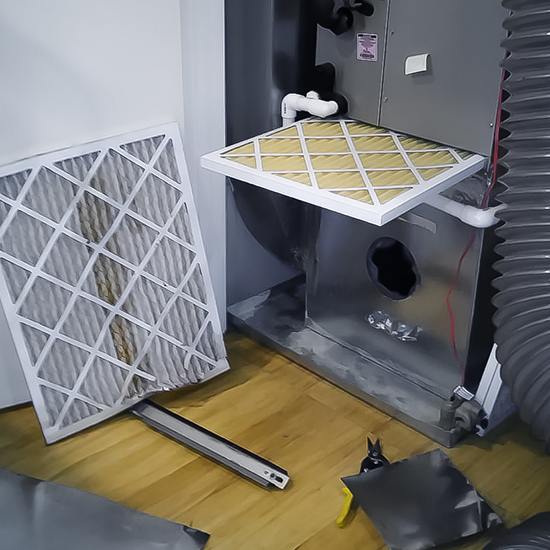
Proper HVAC system cleaning follows strict codes and best practices. At the core of these standards is the requirement for certified technicians to clean, disinfect, and verify airflow performance. The most critical guidelines focus on ensuring system safety, maintaining energy efficiency, and preventing microbial contamination. Ignoring them can result in failed building inspections, warranty voids, or contamination that triggers health concerns. Key governing codes and standards include:
- NADCA ACR Standard 2021 (Assessment, Cleaning, and Restoration of HVAC Systems) – Requires complete system cleaning, including coils, plenums, and drain pans. Consequences: poor airflow, bacteria growth, and reduced lifespan of equipment.
- ASHRAE Standard 180-2018: Standard Practice for Inspection and Maintenance of Commercial Building HVAC Systems – Establishes maintenance intervals and reporting criteria. Consequences: system inefficiency, air contamination, and safety inspection failures.
- EPA IAQ Guidelines (2025 Revision) – Emphasizes moisture control to prevent mold growth. Consequences: microbial contamination leading to respiratory hazards and violated indoor air quality requirements.

Keeping airflow steady and costs predictable
Preventive maintenance keeps HVAC efficiency consistent and reduces unexpected repair costs. In our experience, systems cleaned annually perform up to 25% more efficiently than neglected units. After seeing one household’s indoor blower completely coated in lint due to skipped filter changes, we recommend homeowners schedule a semiannual cleaning and inspection. Preventive cleaning includes:
- Replacing or washing filters every 60 – 90 days using MERV-rated products per manufacturer guidelines.
- Inspecting evaporator and condenser coils annually for dust, pollen, or corrosion buildup.
- Cleaning condensate drain lines with diluted vinegar or specialized tablets to prevent clogs.
- Scheduling professional dryer duct cleaning to avoid airflow restriction between connected systems.
- System accessibility and layout complexity
- Level of contamination or visible microbial growth
- Total scope including ductwork length and number of registers
Schedule a Comprehensive HVAC Inspection Today
If you have noticed reduced airflow, excess dust, or higher energy bills, it is time to act. Green Air Duct Club specializes in thorough HVAC inspections that uncover hidden buildup before it escalates into costly repairs. Using advanced equipment, our certified technicians clean ducts, vents, and coils with attention to detail and strict adherence to NADCA and EPA standards. You will receive clear before-and-after documentation along with verified airflow testing, ensuring the difference is both visible and measurable. A cleaner system operates more efficiently, lowers utility costs, and improves indoor air quality for your family or business. Do not wait until performance declines further. Call Green Air Duct Club today to schedule your professional air system assessment and breathe pure confidence.

FAQs
How often should homeowners schedule HVAC system cleaning?
Homeowners should plan for professional HVAC system cleaning on a regular schedule, typically every 2 to 3 years, depending on usage patterns, household habits, and local environmental conditions. Residences with pets, smokers, or frequent cooking activity often accumulate more airborne particles that settle within ducts, leading to a need for more frequent service. Likewise, homes that have undergone remodeling or construction projects may experience rapid buildup of dust and fine debris that can restrict airflow and reduce efficiency. Replacing standard or high-efficiency air filters every 60 – 90 days is a simple but effective way to maintain clean air while protecting HVAC components from unnecessary wear. In areas with high pollen counts or persistent humidity, annual inspections are strongly advised to catch microbial growth early. Consistent maintenance improves air quality, lowers utility costs, and extends system lifespan.
What happens if HVAC ducts are never cleaned?
When air ducts are not regularly cleaned, a gradual accumulation of dust, pollen, pet dander, and microbial growth begins to form throughout the ventilation network. This buildup restricts airflow and reduces the efficiency of the entire HVAC system. Over time, the blower motor must work harder to push air through clogged passages, which increases energy consumption and accelerates wear on mechanical parts. Homeowners who postpone maintenance often encounter costly breakdowns caused by debris damaging fan blades, bearings, or seals. Even high-quality filters cannot capture all contaminants once they settle deep inside the ducts. As the system operates, trapped particles reenter living areas, reducing indoor air quality and aggravating allergy or asthma symptoms. Regular duct cleaning helps prevent these problems, ensures balanced airflow, supports energy efficiency, and maintains compliance with NADCA and ASHRAE performance standards.
How much does complete HVAC system cleaning cost?
Complete HVAC system cleaning typically ranges from about $400 to $1,000 or more depending on several important variables that influence labor time and material use. These include factors such as system complexity and accessibility, the degree of contamination or visible mold growth, and the overall length of ductwork requiring service. Smaller single-zone residential systems usually fall at the lower end of the range, while large multi-level homes or commercial properties with multiple zones often require significantly more labor and specialized equipment. A professional-grade cleaning process covers coils, fan housing, drain pans, duct interiors, and all registers, which are sanitized using EPA-approved cleaning and disinfecting agents. Qualified technicians also test airflow, verify proper pressure balance, and ensure that all debris is removed before completing the job. These cost figures serve as general reference points rather than firm quotations. A site inspection and thorough evaluation are always necessary to provide an accurate, written proposal tailored to the specific HVAC configuration, building layout, and level of contamination present.
Can homeowners perform HVAC system cleaning themselves?
Homeowners can successfully tackle a few simple HVAC maintenance tasks on their own, such as swapping out air filters, vacuuming around vent openings, and wiping registers to remove dust buildup. These basic steps help maintain system efficiency and improve air quality between professional services. However, comprehensive HVAC cleaning should always be handled by certified technicians who have specialized training and access to professional-grade equipment. Tools such as high-powered negative air machines, rotary brushes, and containment systems are crucial for removing accumulated debris from deep within ductwork while preventing contaminants from spreading into occupied spaces. Attempting this without proper knowledge or gear can lead to damaged components like blower fans, evaporator coils, or ducts. For best results, homeowners should focus on surface upkeep and airflow monitoring, leaving full system cleaning to qualified HVAC specialists who adhere to established NADCA and EPA standards.
What are the warning signs that HVAC cleaning is needed?
Several common signs can indicate that your HVAC system is in need of professional cleaning and inspection. One noticeable clue is weak or uneven airflow coming from your vents, which can suggest that dust or debris is blocking internal components and reducing efficiency. You may also observe fluctuating temperatures between rooms, a persistent musty or smoky odor when the system is running, or unusual rattling and grinding noises that suggest strain on internal parts. Excess dust buildup around vents, dark streaks on ceiling registers, or rapid filter clogging point to contaminants being circulated rather than trapped. Rising utility bills can also signal that the system is overworking due to restricted air passages. Scheduling a timely HVAC cleaning helps restore proper airflow, enhances efficiency, supports healthier indoor air quality, and prevents costly damage or microbial contamination over time.
What are the most common HVAC cleaning issues homeowners encounter?
Many homeowners encounter recurring problems after an incomplete HVAC cleaning because some services only clean the visible vents or grills and skip the more complex internal components. When drain pans are not properly sanitized, mold can accumulate and spread spores through the ductwork, compromising indoor air quality. Ignoring the evaporator coils often results in reduced system efficiency and lingering odors. In some poorly executed jobs, old filters are reused after coil cleaning, which allows previous contaminants to circulate back into the system. Technicians who overlook smaller duct branches leave behind pockets of dust and debris that collect over time and restrict airflow. A further issue arises when insulation becomes loose and is blown into the duct stream, harming energy performance. Neglected condensate lines are another major concern since clogging can lead to moisture overflow and high humidity levels inside the home. To prevent these issues, homeowners should confirm that the service provider adheres to NADCA ACR guidelines and performs a complete inspection and cleaning of all major and minor components. Selecting a certified professional who documents each step of the process ensures every part of the HVAC system receives attention, producing cleaner air, greater efficiency, and longer equipment life.
What should homeowners look for when hiring an HVAC cleaning professional?
When selecting an air duct cleaning provider, it is essential to verify that each technician is certified through NADCA or has completed training that meets EPA-compliant guidelines. Confirm that the company carries proper liability insurance and can present written operating procedures detailing the exact components to be cleaned, including coils, air handling units, plenums, ducts, registers, and blower housings. Reliable professionals often provide before-and-after documentation in the form of verified photos, system pressure readings, or airflow test results to demonstrate measurable improvement. Be cautious of unusually low estimates, since they can indicate partial cleanings, inadequate sanitation, or unqualified teams. Take time to evaluate reviews and certification records, and request a clear, itemized cost explanation before work begins. A reputable provider will employ commercial-grade vacuum systems with HEPA filtration, seal all access openings securely, and follow all current ASHRAE and NADCA standards to ensure a thorough, contaminant-free cleaning process.
When should homeowners consider an urgent HVAC inspection?
An urgent HVAC inspection becomes necessary when you observe significant dust being expelled from vents, experience a persistent burning or musty odor, notice a sudden rise in energy bills, or detect visible mold growth on vents or inside the ductwork. These symptoms, while not life-threatening emergencies, typically signal that the system is contaminated, unbalanced, or experiencing mechanical strain. When airflow suddenly diminishes or indoor temperatures fluctuate sharply, the equipment may be under excessive load or its filters and coils could be obstructed. In that situation, it is recommended to shut down the HVAC system temporarily to prevent further stress and potential damage. Contact a certified HVAC technician as soon as possible so they can inspect the unit, locate the cause, and perform proper cleaning or repairs. Acting quickly helps maintain indoor air quality, protect sensitive components, and avoid costly long-term issues associated with neglected contamination or moisture buildup within the system.