


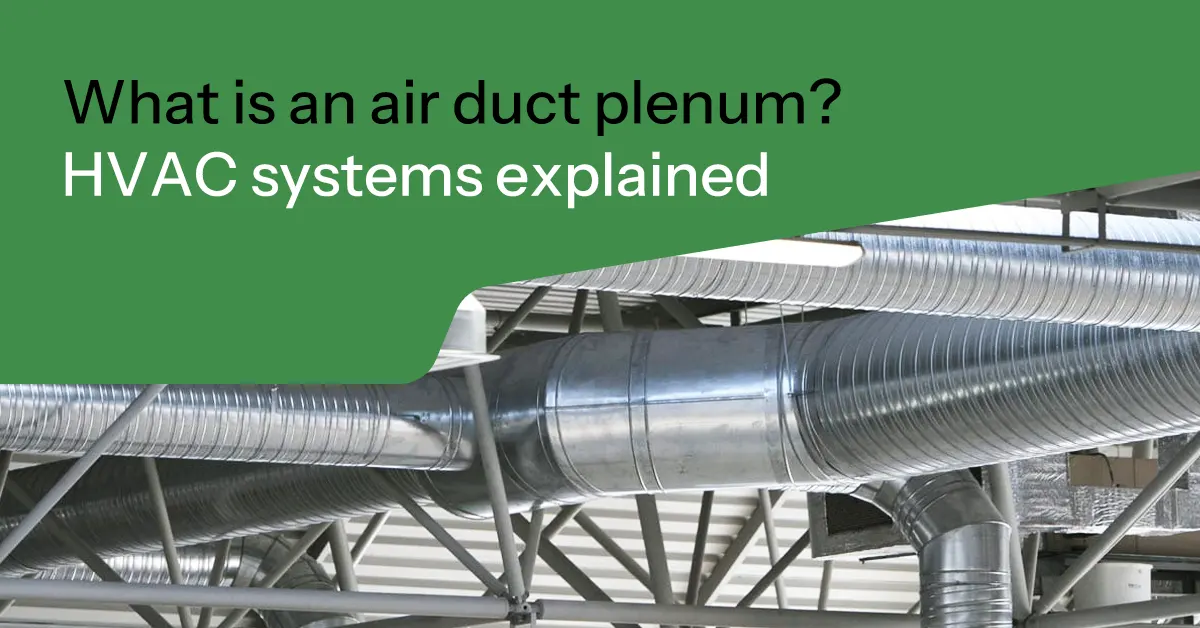
When homeowners call us at Green Air Duct Club, many ask the same question. They want to know what that big metal box near their furnace actually does. I get it. Most folks never think about their air duct plenum until something goes wrong. After 15 years in this industry, I have seen how this overlooked component affects everything. From indoor comfort to energy bills, your plenum plays a huge role. Let me walk you through what it is and why it matters for your San Antonio home.
Understanding the Air Duct Plenum in Your HVAC System
Think of your air duct plenum as the heart of your ventilation setup. It is basically a large chamber that connects directly to your furnace or handler. This box collects and distributes conditioned airflow throughout your entire home.
When your system kicks on, the plenum receives heated or cooled airflow first. From there, it pushes that airflow into smaller branch lines running to each room. Without this central hub, you would have no way to distribute temperature-controlled airflow evenly.
I explain it to customers like a traffic circle. Everything flows through the center before heading to its destination. Your air duct plenum works the same way. It manages the volume and pressure of airflow moving through your whole network. This keeps each room comfortable without overworking your equipment.
Two Types of Plenums Every Homeowner Should Know
Your home actually has two separate chambers working together. Understanding both helps you spot problems early and communicate better with technicians.
The Supply Plenum Box for Heating and Cooling
The supply side sits directly on top of your furnace or handler. When your system runs, this chamber receives freshly conditioned airflow. It then distributes that airflow to all the supply registers in your home.
I always check the supply plenum box first during inspections. Cracks or gaps here mean you lose conditioned airflow before it reaches your rooms. In Texas summers, that wasted cooling adds up fast on your bills.
Return Air and the Furnace Plenum Connection
The return side works in reverse. It pulls stale airflow from your rooms back to the furnace for reconditioning. This chamber connects to the intake side of your equipment.
Most San Antonio homes have one or two large return grilles. These feed directly into the return chamber. If this connection leaks, you end up pulling in unconditioned attic airflow. That makes your system work harder and drives up costs.
Why Your Air Duct Plenum Matters for Home Comfort
Your air duct plenum directly affects how comfortable each room feels. I have walked into homes where one bedroom is freezing while another feels like a sauna. Often, the problem traces back to plenum issues.
A properly sized chamber maintains balanced pressure throughout your network. Too small, and you get restricted airflow and hot spots. Too large, and you lose velocity, meaning weak output at distant registers.
I recently helped a family in Stone Oak who could not cool their upstairs. Their original installer used an undersized supply chamber. After upgrading to the correct dimensions, their second floor finally matched the rest of the house.
Sheet Metal Plenum Design and Coil Placement
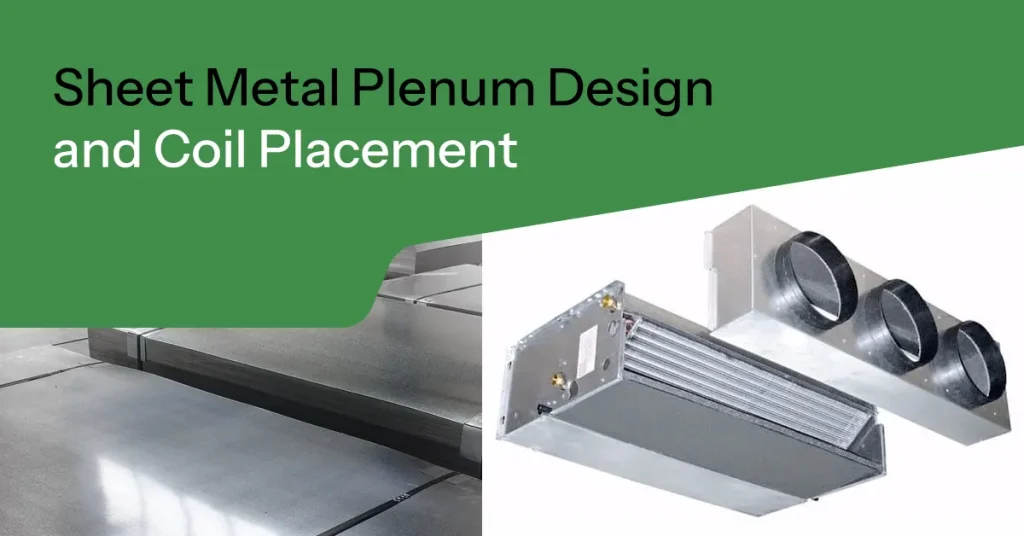
Most residential chambers use galvanized sheet metal construction. This material handles temperature changes well and resists corrosion over time. Professional installers cut and bend each piece to fit your specific equipment.
The evaporator coil sits inside or directly adjacent to your supply chamber. This positioning matters because the coil removes humidity during cooling cycles. If the chamber leaks around the coil, you lose efficiency and risk moisture problems.
Here is what I check during every inspection:
- Seam integrity along all sheet metal joints
- Proper mastic or foil tape sealing
- Correct clearance around the coil
- No rust or corrosion spots
- Secure mounting to the furnace
These details separate a well-built system from one that wastes energy.
Texas Regulations for HVAC Plenum Installation
In Texas, proper chamber installation must follow specific codes. These rules exist to protect homeowners and ensure systems work safely.
- Texas Mechanical Code Section 602 – Requires all plenums to be constructed of approved materials and properly sealed. Consequences: failed inspections and required rework.
- IRC Section M1601 – Mandates minimum dimensions based on equipment capacity. Consequences: airflow restrictions and comfort complaints.
- Texas Energy Code – Requires insulation on chambers in unconditioned spaces like attics. Consequences: energy waste and potential condensation damage.
Non-compliance creates problems during home sales and insurance claims. Always verify your installer pulls proper permits and schedules inspections.
Common Air Duct Plenum Problems I See Daily
After thousands of service calls, certain issues keep showing up. Knowing these helps you catch problems before they get expensive.
Leaky seams top my list. Builders often rush installations, leaving gaps that waste conditioned airflow. I have measured losses up to 30% in poorly sealed systems. That is like paying to cool your attic.
Damaged insulation comes next. Texas attics get brutally hot. When chamber insulation fails, condensation forms and drips into ceilings. I have seen water damage that cost thousands to repair.
Disconnected joints happen, too. Vibration from your equipment loosens connections over time. Annual inspections catch these before they cause real trouble.
Trust Green Air Duct Club for Your HVAC System
Your air duct plenum deserves attention from trained professionals who understand Texas homes. At Green Air Duct Club, we have served San Antonio since 2009 with one mission. We want every family to breathe cleaner, healthier indoor airflow.
Our founder started this company after watching a family member struggle with asthma. That personal connection drives everything we do. We treat your home like our own because we understand what is at stake.
If you have questions about your air duct plenum or notice comfort problems, reach out today. A quick inspection can save you money and keep your family comfortable year-round.
Trustindex verifies that the original source of the review is Google. Ori & his assistant took before and after videos and thoroughly explained what needed to be cleaned. Did a great job—house vents smell clean now that bacteria has been removed!Posted on GoogleTrustindex verifies that the original source of the review is Google. Great efficient service!Posted on GoogleTrustindex verifies that the original source of the review is Google. Ori and his team did a great job identifying bacteria and cleaning it for me, as well as providing a solution to help with prevention. I appreciate him and his team!Posted on GoogleTrustindex verifies that the original source of the review is Google. Thank you Green Air Duct Club. You where on time and very through. Oren presented me with before and after photos that where a great help understanding what needed to be done. Thank you for great service and price. We are very Happy!Posted on GoogleTrustindex verifies that the original source of the review is Google. I was very impressed with the clarity and efficiency of the cleaning process; the professionals explained every detail and executed the work with great precision, leaving my home completely worry free.Posted on GoogleTrustindex verifies that the original source of the review is Google. I appreciated the transparent, clear communication from the team, who meticulously cleaned every vent and provided updates that made the entire air duct cleaning process completely worry free.Posted on GoogleTrustindex verifies that the original source of the review is Google. AhabahabbaPosted on GoogleTrustindex verifies that the original source of the review is Google. Green Air Duct did a wonderful job - cleaning and disinfect our air ducts and A/C unit. Ori was honest and up front about what we needed - and didn’t need. We had them look at the insulation in the attic as well, and despite aging and based on our electrical bill, explained that it was probably not necessary. Attached are before and after of inside of duct box.Verified by TrustindexTrustindex verified badge is the Universal Symbol of Trust. Only the greatest companies can get the verified badge who has a review score above 4.5, based on customer reviews over the past 12 months. Read more
Frequently Asked Questions
What is an air duct plenum made of in most homes?
Most residential chambers use galvanized sheet metal because it handles temperature swings well. The material resists rust and lasts for decades when properly maintained. Some builders use fiberglass duct board for budget installations. However, sheet metal remains the professional standard for durability and performance. At Green Air Duct Club, we always recommend metal construction for Texas homes.
How do I know if my air duct plenum is leaking?
You might notice uneven temperatures between rooms or higher energy bills. Whistling sounds near your furnace often indicate gaps in the chamber. Another sign is dust accumulating faster than normal around registers. A professional can perform a pressure test to measure the exact leakage rates. This test shows exactly where sealing work is needed.
Can a dirty air duct plenum affect my health?
Absolutely. The chamber collects dust, debris, and allergens over time. When your system runs, it can circulate these contaminants throughout your home. People with asthma or allergies often notice symptoms getting worse. Regular cleaning removes buildup and improves indoor quality. Our founder started Green Air Duct Club specifically to help families breathe easier.
How often should I have my air duct plenum inspected?
I recommend professional inspections every two to three years minimum. Homes with pets, smokers, or allergy sufferers benefit from annual checks. After any major renovation, schedule an inspection to catch construction debris. Also, have it checked if you notice sudden changes in system performance. Prevention costs far less than emergency repairs.
What is the difference between an air duct plenum and regular ductwork?
The plenum is the main chamber directly attached to your furnace or handler. Regular lines are the smaller branches running to individual rooms. Think of the chamber as the trunk and the branches as limbs. The air duct plenum handles the highest volume and pressure in your system. Branch lines simply deliver conditioned airflow to specific locations.
Can I clean my air duct plenum myself?
I do not recommend DIY cleaning for the main chamber. The space is cramped and requires specialized equipment to clean properly. You also risk damaging seals or insulation without proper training. However, you can change filters regularly and keep the return grilles dust-free. For thorough chamber cleaning, trust professionals like Green Air Duct Club who have the right tools.